How to Maximize Warehouse Space Without Expanding Your Building
June 24, 2026
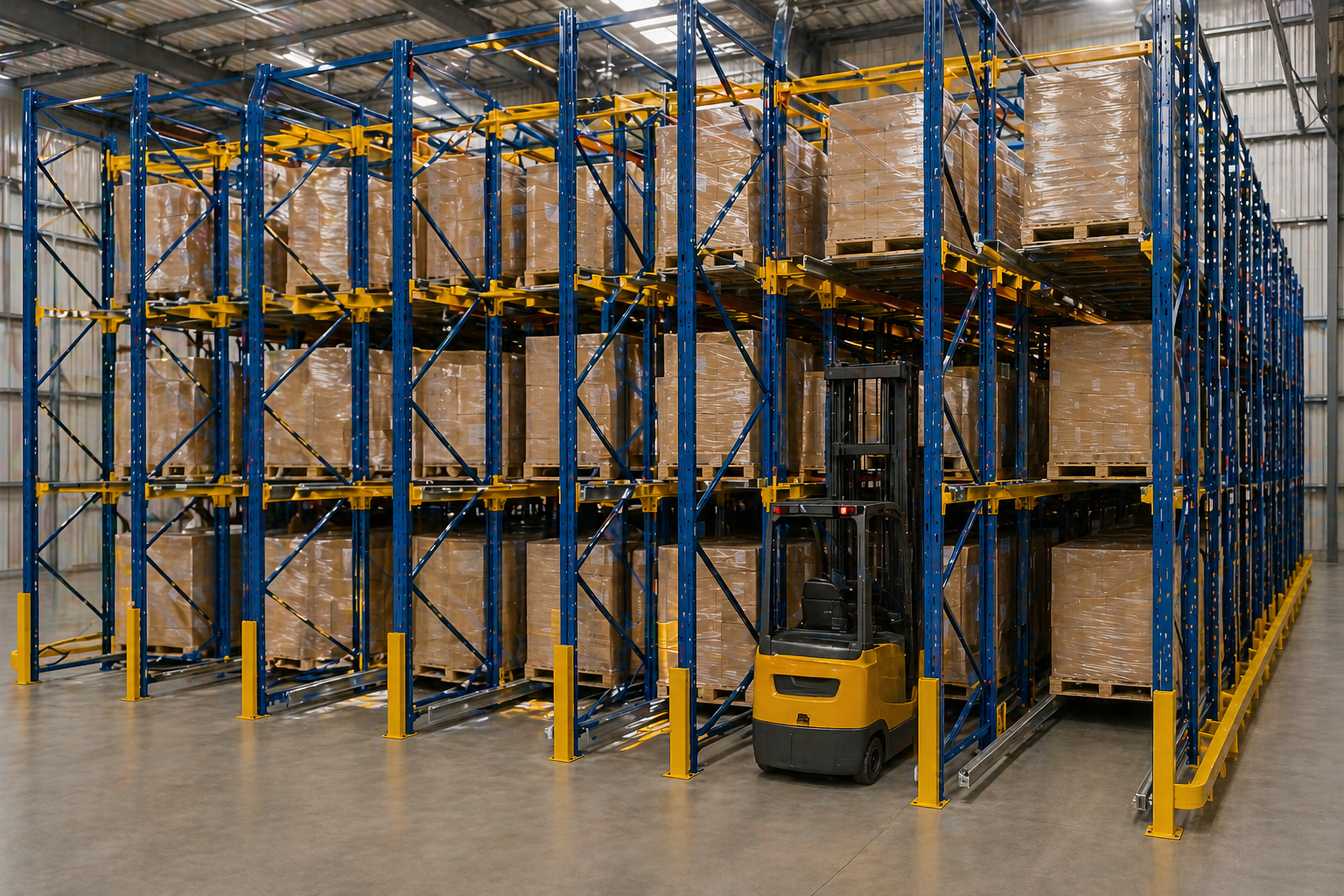
Running out of warehouse space often feels like a sign that the business is doing something right. Sales are growing. Inventory is increasing. Customer demand is climbing. But then the reality of a crowded facility sets in: congested aisles, time wasted searching for products, overflowing receiving areas, and a management team debating whether to lease more space or relocate entirely.
Before that conversation goes any further, there is a question worth asking first: have you actually run out of space, or have you run out of storage strategy?
At Stor-It Systems, we work with businesses across Atlantic Canada that believe they have outgrown their facilities. After evaluating their operations, we regularly find substantial untapped capacity already inside the building. This guide walks through how to find it, how to reclaim it, and how the right storage systems can transform a crowded warehouse into a high-performing operation without adding a single square foot.
Why Warehouse Space Disappears Faster Than You Think
Capacity rarely disappears overnight. It is consumed gradually through years of operational changes that each seem minor at the time. A new product line is added. Additional inventory is bought to buffer supply chain uncertainty. A temporary storage spot becomes permanent. A team reorganization changes how inventory is placed. Over months and years, these small decisions compound into a facility that feels impossible to navigate.
One of the most common issues we identify during warehouse assessments is underutilized vertical space. Most warehouses think in terms of floor space, but the real opportunity is cubic volume. A facility with 20-foot ceilings storing inventory to only 10 or 12 feet is effectively using half its available capacity. When you shift from measuring square footage to measuring cubic volume, entirely new storage opportunities come into view.
Another common issue is inefficient inventory placement. Fast-moving products stored at the back of the warehouse force employees to travel further for every pick. High-demand inventory buried in high-density reserve storage creates congestion. These workflow mismatches do not just waste time; they add up to measurable labour cost every single day.
The Real Cost of an Inefficient Storage Strategy
Most warehouse leaders can quickly calculate the cost of a building expansion: construction or lease costs, moving expenses, operational disruption, and the time required to get a new facility running. What is harder to see are the costs accumulating inside the current building every day the storage strategy is not working.
When inventory is difficult to find, employees spend more time searching and less time picking. When storage is poorly organized, errors increase. When aisles are congested, forklift travel slows and safety risks climb. When receiving areas overflow, inbound shipments get delayed. Each of these problems has a measurable labour and operational cost that compounds quietly, often for years before it is fully recognized.
Improving storage efficiency is not just about finding more room. It is about making the operation faster, safer, and less expensive to run. The organizations that achieve the greatest gains focus on how inventory moves through the facility, not just where it sits.
Start with Workflow, Not Equipment
One of the most common mistakes businesses make when facing space constraints is shopping for storage equipment before evaluating the workflow. Shelving and racking are critical tools, but they should support the operation, not define it. Before making any changes, the right questions to ask are:
- How does inventory enter the facility and where does it go first?
- Which products are picked most frequently throughout the day?
- How far do employees travel to retrieve the items they pick most often?
- Where are bottlenecks forming and why?
- Which storage locations are consistently overloaded and which are underused?
- Is inventory organized around access frequency or around available space?
The answers to these questions often reveal that the problem is not a lack of storage but a mismatch between where inventory lives and how the operation actually flows. Reorganizing before adding equipment frequently frees up significant capacity on its own.
Storage Solutions That Recover Real Capacity
Once the workflow has been mapped, the next step is selecting storage systems that align with how the operation actually runs. The right combination of systems can dramatically increase usable capacity without touching the building envelope.
Industrial Shelving for Hand-Picked Inventory
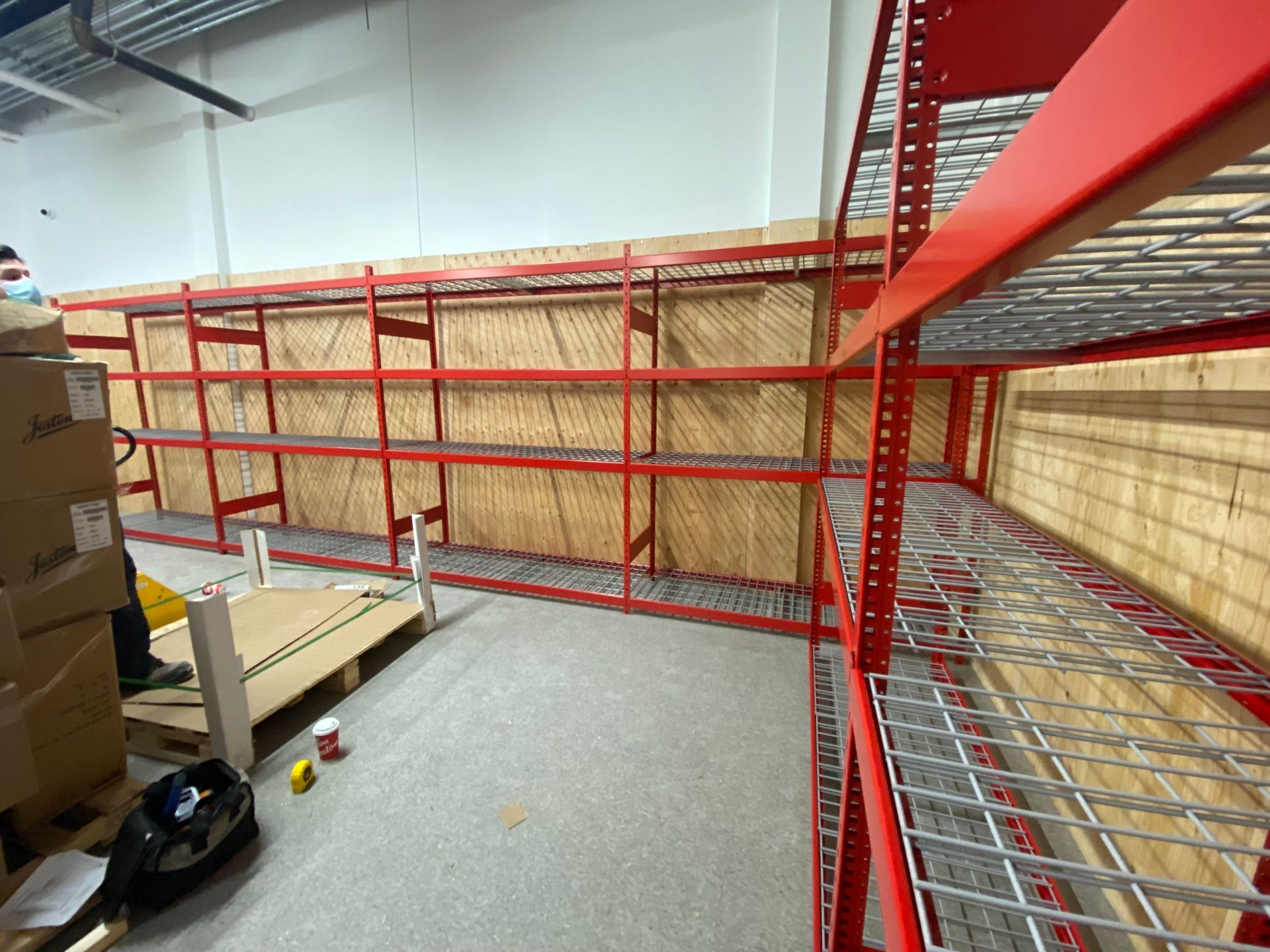
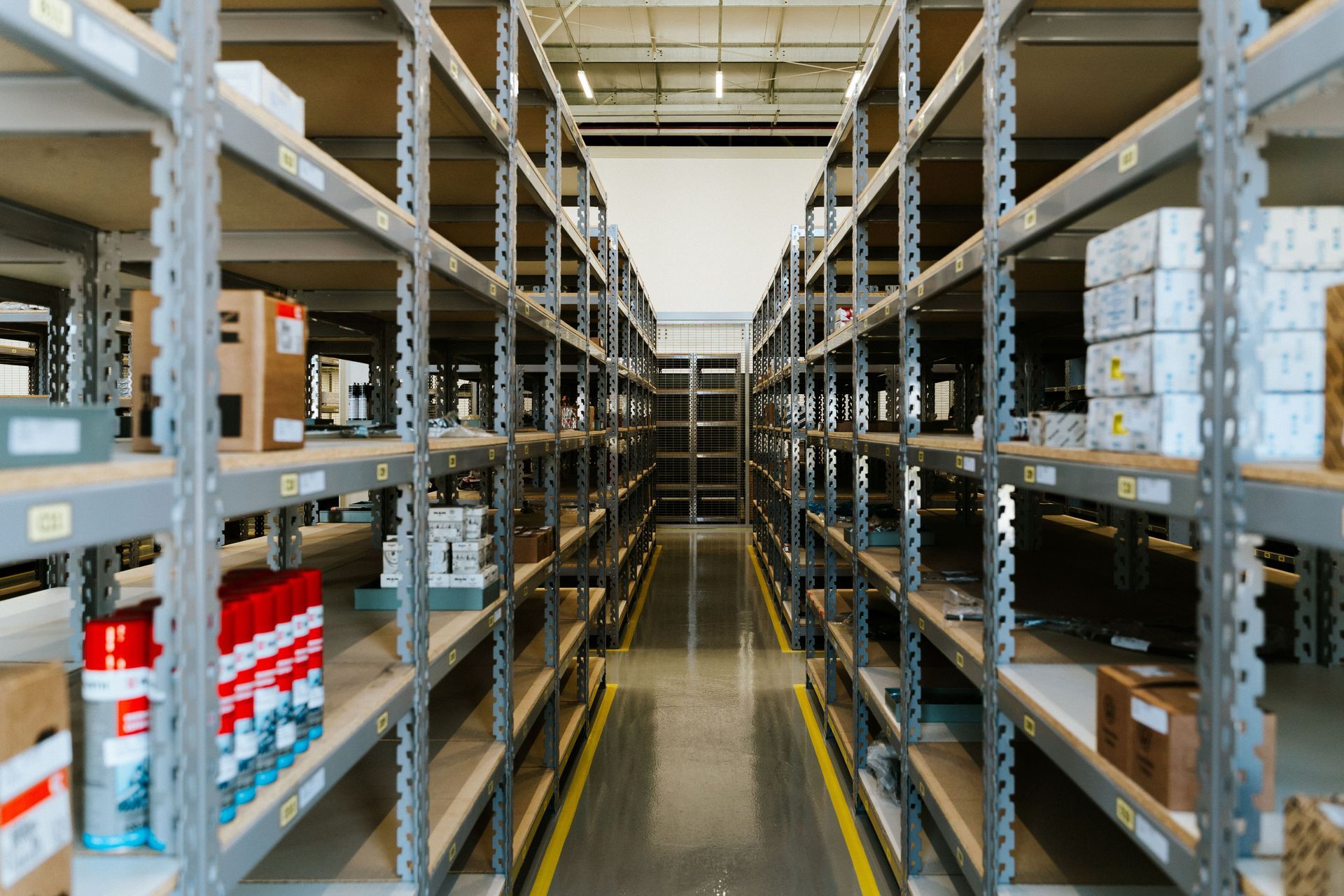
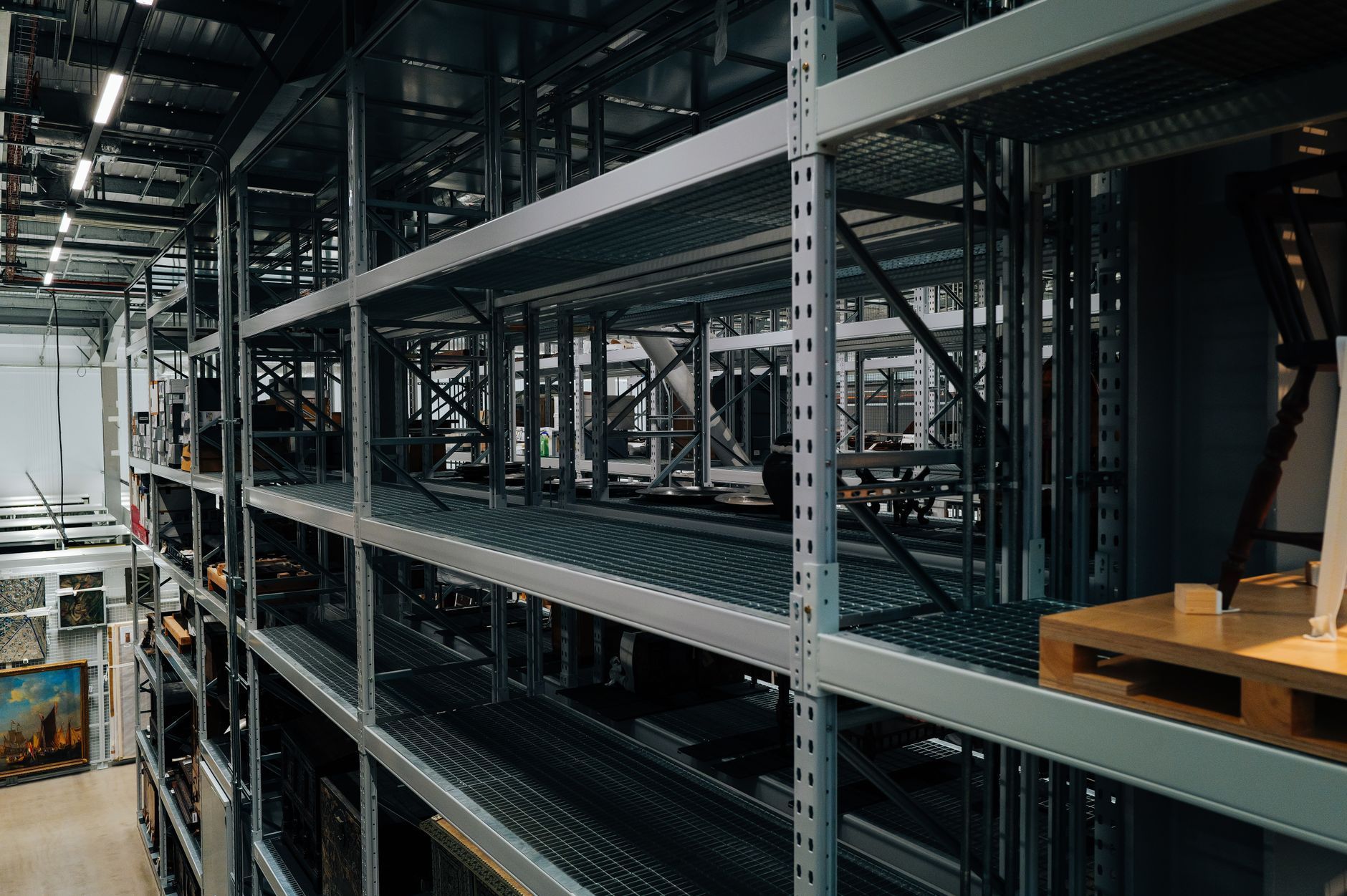
For parts, supplies, tools, cartons, and any inventory accessed by hand, industrial shelving remains one of the most versatile and effective solutions available. Well-configured shelving improves visibility, speeds up picking, and makes inventory counts faster and more accurate. Rousseau shelving, available through Stor-It Systems, offers adjustable heights, modular accessories like sloped shelves and sliding panels, and load capacities from 450 to 800 lbs per shelf.
For facilities where aisle space is at a premium, mobile shelving eliminates fixed aisles entirely by mounting rows on rolling carriages. Compared to static shelving layouts, mobile systems can recover up to 50 percent of floor space while maintaining full access to every storage location.
Pallet Racking for Bulk and Palletized Inventory
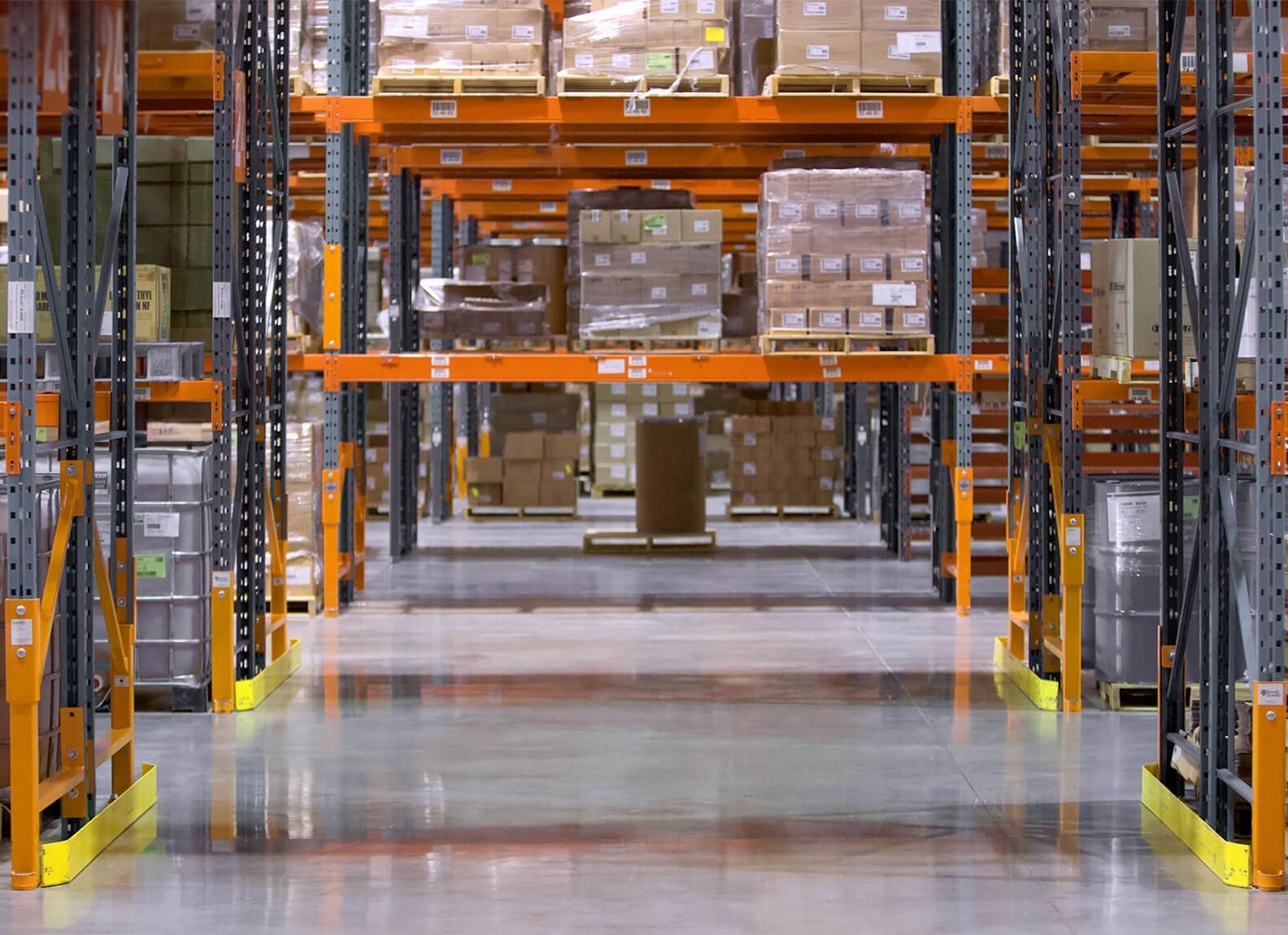
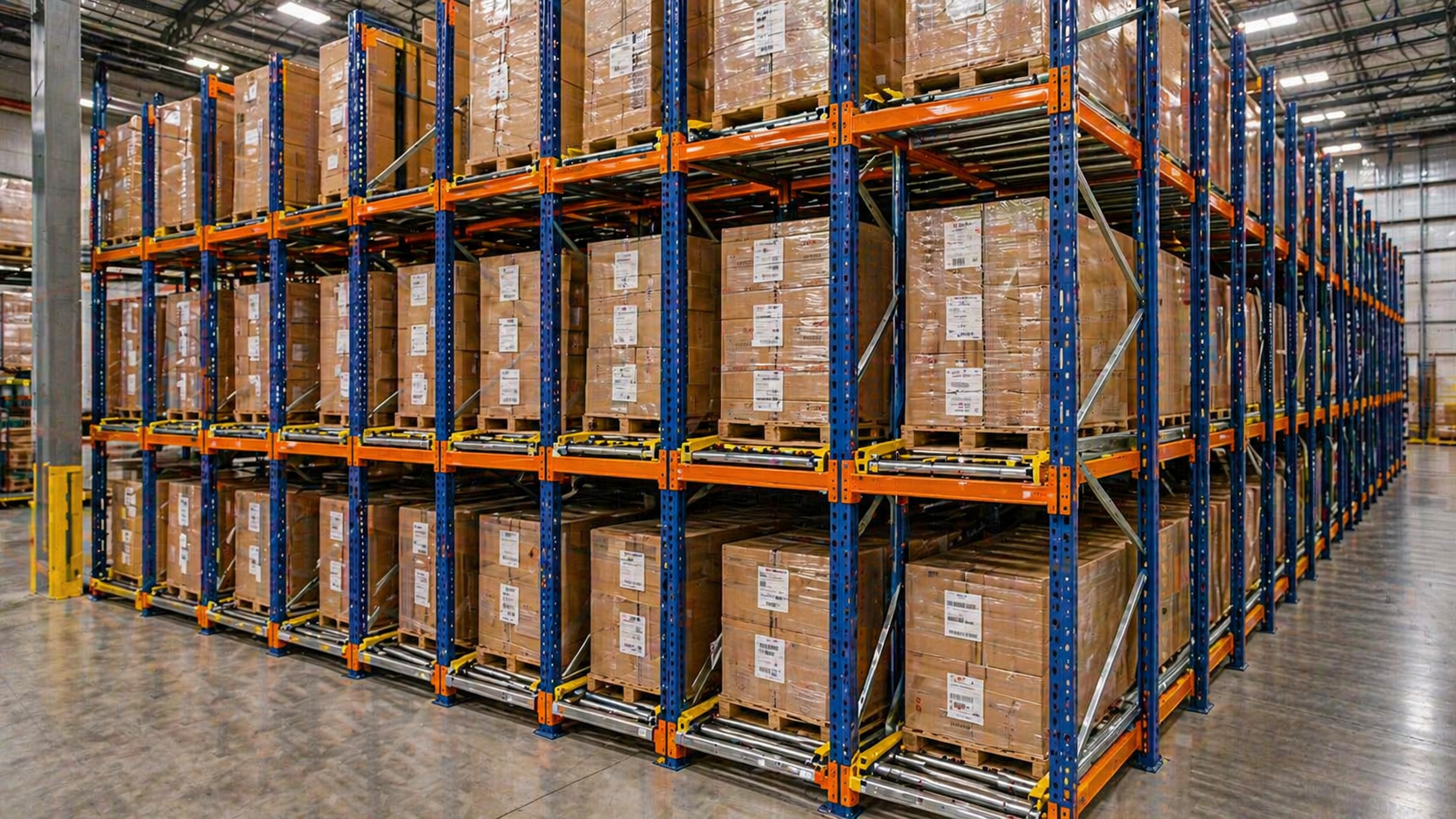
For palletized inventory moved by forklifts or reach trucks, pallet racking makes use of the full vertical height of the building in ways that shelving cannot. Depending on your inventory profile and throughput requirements, different racking configurations deliver different trade-offs between density and accessibility. Many facilities discover that simply installing racking to the full ceiling height of the building adds substantial capacity without any structural changes.
Mezzanines for Multi-Level Storage
When floor space is truly at a premium and vertical height is available, a mezzanine structure creates an entirely new floor level within the existing building. Mezzanines can be used for additional shelving and racking, office space, pick and pack operations, or any combination of the above. They are one of the highest-density space recovery solutions available and can effectively double the usable floor area of a facility without construction.
Spacesaver High-Density Systems
For organizations with archive materials, healthcare supplies, government records, or any inventory that requires dense storage with controlled access, Spacesaver shelving systems offer one of the highest-density storage configurations available. Mobile carriages run on floor tracks, eliminating static aisles and compressing the same inventory into a fraction of the floor footprint.
Why Hybrid Storage Strategies Deliver the Best Results
The most efficient warehouses rarely rely on a single storage system. The facilities that perform best use different systems for different types of inventory based on how each product is stored, accessed, and moved through the operation.
Reserve inventory may live in pallet racking at full building height. Frequently picked items may be stored in open industrial shelving near the outbound dock. Small parts and components may be organized in modular drawer cabinets. Archive or slow-moving materials may be placed in high-density mobile shelving. Each system is chosen for what it does best, and together they create a storage strategy that supports the entire operation rather than compromising across the board.
When storage systems are selected based on inventory characteristics and workflow requirements rather than price or convenience, the result is typically faster throughput, fewer picking errors, and greater capacity, all within the same building footprint.
Common Storage Mistakes That Kill Capacity
After nearly five decades of warehouse assessments, our team sees the same patterns repeatedly. The most common mistake is failing to use available vertical height. The second is applying the same storage system to every type of inventory regardless of how it is accessed. The third is designing around current inventory levels without accounting for future growth, which means the facility is already undercapacity before the next product line arrives.
The most expensive mistake, however, is treating expansion as the only option before a thorough assessment has been completed. Many organizations begin planning for a larger facility long before they have fully optimized the one they occupy. A professional warehouse assessment frequently uncovers improvements that delay or eliminate the need for capital expansion entirely while improving day-to-day operational performance at the same time.
What Optimization Actually Delivers
Organizations that improve storage efficiency consistently report gains across multiple areas of the business, not just capacity. Picking operations become faster because products are easier to locate. Inventory accuracy improves because storage is better organized. Safety improves because aisles are less congested. Labour costs decrease because employees spend less time searching and more time doing productive work.
Most importantly, businesses gain the ability to support growth without immediately committing to a more expensive facility. In many cases, the return on a storage optimization project significantly exceeds the return on a building expansion. Our preventative maintenance program also keeps optimized systems performing over the long term.
The Stor-It Systems Advantage
Stor-It Systems has been helping businesses across Atlantic Canada improve warehouse performance since 1978. We work with organizations throughout New Brunswick, Nova Scotia, PEI, and Newfoundland to evaluate existing facilities, identify underutilized capacity, and design storage strategies that support both current operations and long-term growth.
Our approach starts with understanding how your operation actually works today and where it needs to go. We evaluate inventory profiles, workflow requirements, facility constraints, and future growth plans before recommending a single product. As exclusive dealers for Rousseau, Space Aid Manufacturing, and Spacesaver, we have access to the full range of storage solutions and the expertise to match the right one to your specific situation.
Our consultation and design services are built for exactly this kind of challenge. Book a session with our team and we will walk through your space, your inventory, and your workflow together.
Frequently Asked Questions
How do I know if I actually need to expand my facility?
In most cases, a thorough warehouse assessment should come before any expansion decision. Many organizations discover they can recover significant capacity through smarter storage design, better inventory placement, and more effective use of vertical height. Expansion may still make sense, but it should be an informed decision, not a default one.
What is the fastest way to increase warehouse capacity?
Improving vertical storage utilization is typically the quickest and most cost-effective starting point. If your facility is not using its full ceiling height for shelving or racking, that is often the largest single opportunity for immediate capacity gains.
Can industrial shelving and pallet racking be used in the same facility?
Absolutely, and in most cases, combining both produces better results than relying on either one alone. Pallet racking handles bulk palletized inventory efficiently, while industrial shelving supports hand-picked items closer to the pick or pack area. Each system does what it does best.
Does warehouse optimization work for smaller operations?
Yes, and smaller facilities often see the largest proportional gains. When floor space is limited, even modest improvements to vertical storage or inventory placement can meaningfully increase usable capacity and operational efficiency.
What is involved in a warehouse assessment with Stor-It Systems?
Our team evaluates your current layout, inventory profile, workflow, and growth objectives. We identify gaps between how the space is being used and how it could be used, then provide practical recommendations with clear options and costs. Book a consultation here.
Optimize Before You Expand
The greatest opportunity for growth in most warehouses is already inside the building. Through smarter storage design, more effective use of vertical space, and the right combination of shelving, racking, and high-density systems, businesses across Atlantic Canada are adding meaningful capacity, improving productivity, and delaying expensive expansions.
The organizations that invest in warehouse optimization before expanding consistently report one thing in common: they wish they had done it sooner. The improvements tend to be faster to realize, less disruptive to implement, and more durable than a simple footprint increase. A better-designed facility does not just hold more; it operates more smoothly, scales more easily, and creates a better environment for the people working in it every day.
If your facility feels constrained, the most valuable first step is a conversation with a storage expert who can help you see what is actually possible. Stor-It Systems has been having that conversation with Atlantic Canadian businesses for nearly 50 years.
Book a free facility consultation today.
Need Help Planning Your Warehouse or Industrial Space?
Storage, loading docks, commercial doors, and material handling -solved.
No obligation. Local experts.
Insights to fuel your marketing business
Sign up to get industry insights, trends, and more in your inbox.
Contact Us
We will get back to you as soon as possible.
Please try again later.
SHARE THIS
Latest Posts