When organizations start evaluating industrial shelving, one of the first questions they run into seems almost too simple: should we use open shelving or closed shelving? But what looks like a straightforward product decision is actually a workflow decision with real operational consequences.
The shelving configuration you choose influences how quickly employees can find and retrieve inventory, how well products are protected from dust, contamination, or unauthorized access, how efficiently the space is organized, and ultimately how productive the facility is on a daily basis. Choose the wrong configuration for the work being done, and you create friction every time someone needs to access inventory.
At Stor-It Systems, we work with organizations throughout Atlantic Canada that initially came to us looking for more storage space, only to discover that the real opportunity was improving how existing inventory was organized and accessed. This guide walks through the practical differences between open and closed shelving, where each configuration delivers the most value, and how the right combination can improve productivity across the facility.
What Is Open Industrial Shelving?
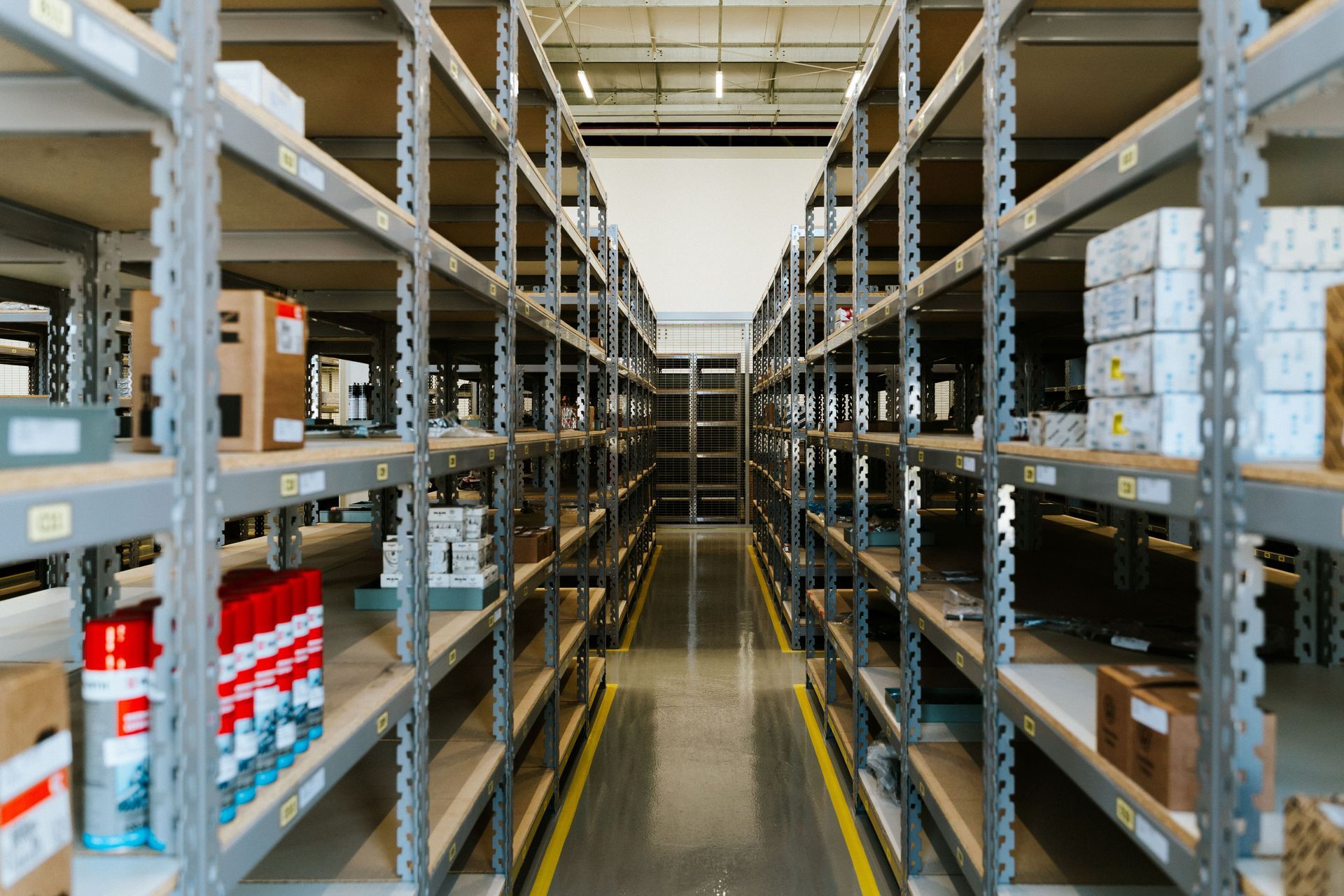
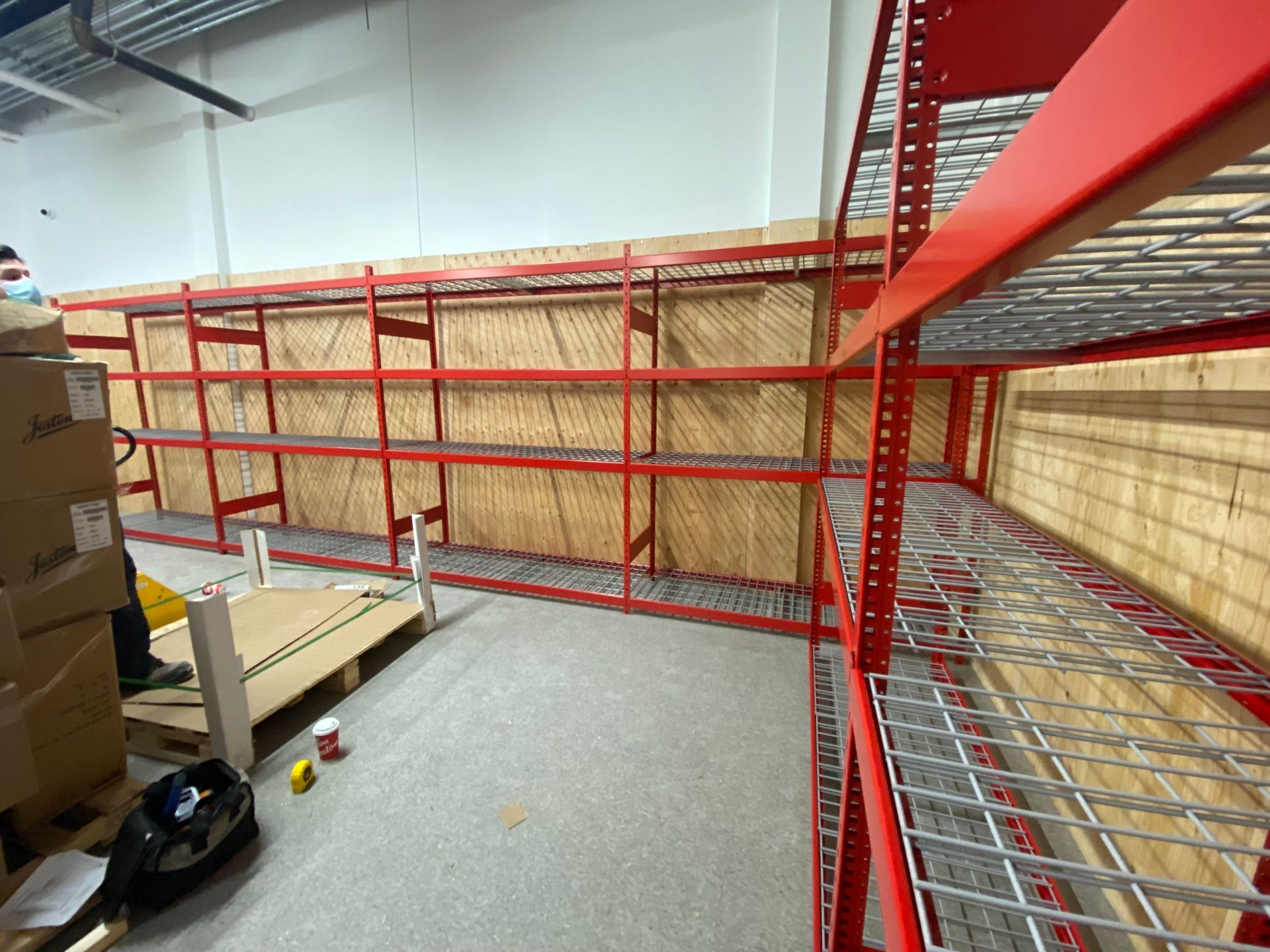
Open industrial shelving is exactly what it sounds like: shelving without enclosed sides, backs, or doors. Inventory is fully visible and immediately accessible from the front of each shelf. There is nothing between the employee and the product except the shelf itself.
This accessibility is the core advantage. In high-frequency pick environments, every second spent opening a door or searching for a product adds up to measurable labour cost over the course of a shift. Open shelving eliminates that friction entirely. Employees can see at a glance what is on the shelf, confirm the correct item, and retrieve it without any additional steps.
Rousseau open shelving, available through Stor-It Systems, is built on a boltless clip system that adjusts on one-inch increments without tools. Load capacities run from 450 to 800 lbs per shelf depending on the configuration, and the system accepts a wide range of accessories that improve organization and picking efficiency.
Explore the full range of industrial shelving options.
Where Open Shelving Delivers the Greatest Value
Open shelving performs best in environments where inventory moves frequently and speed of access matters. Manufacturing facilities use it for production components that are pulled throughout the shift. Parts departments rely on it to fulfill orders quickly and accurately. Maintenance operations use it for tools and supplies that need to be grabbed and returned multiple times per day.
The visibility factor also makes inventory management easier. Counts are faster because stock levels are immediately visible without opening compartments. Low stock is easier to identify before it becomes a problem. Employees can confirm product identity from a distance, which reduces picking errors.
Open shelving also tends to be the more cost-effective configuration, with a lower initial investment due to fewer components. For growing businesses that anticipate layout changes, it also offers greater flexibility since shelves can be adjusted or the system reconfigured without significant effort.
What Is Closed Industrial Shelving?
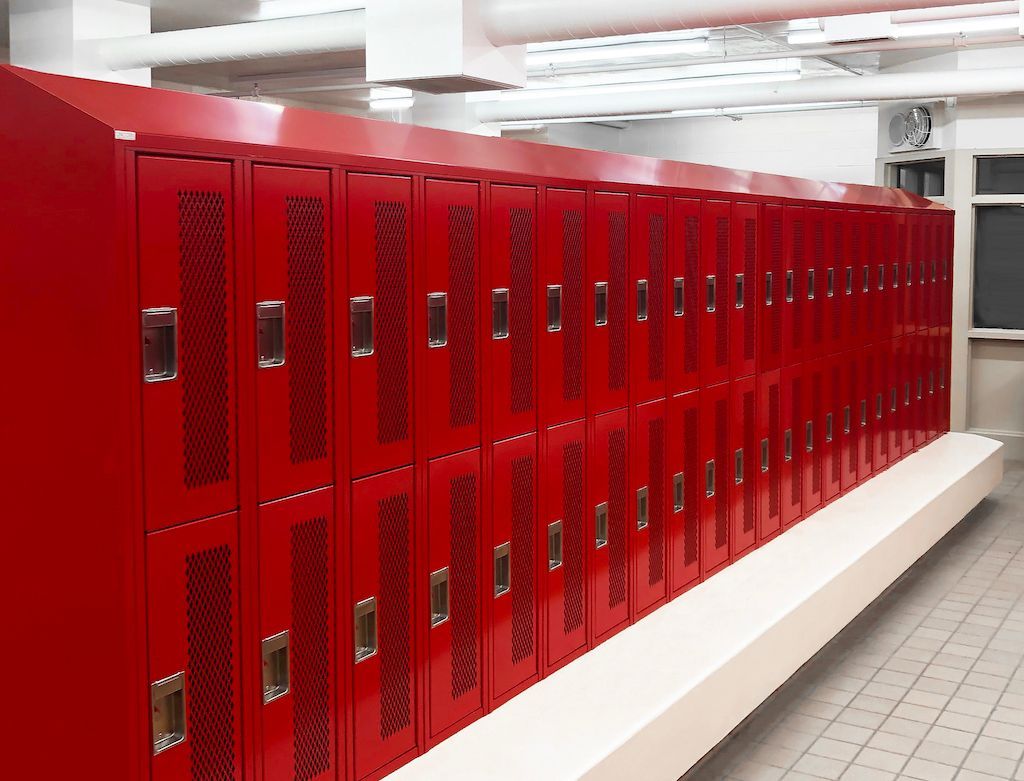
Closed shelving incorporates enclosures on the sides, back, and often the front of each bay through doors or solid panels. The inventory is protected from the surrounding environment and, depending on the configuration, from unauthorized access as well. Where open shelving prioritizes speed, closed shelving prioritizes control.
The trade-off is real but often worthwhile for certain types of inventory. Access requires opening a door or panel, which adds a step to every pick. For high-frequency environments, that step creates friction. For environments where inventory protection, accountability, or security are the priority, that step is exactly the point.
Closed shelving from Rousseau is available in several configurations, from units with partial back and side panels to fully enclosed bays with lockable doors. For facilities that need an additional layer of security beyond shelving, our
cabinet solutions offer even more control.
Where Closed Shelving Makes the Most Sense
Healthcare facilities represent one of the clearest use cases for closed shelving. Medical supplies, pharmaceuticals, and clinical materials require organized, protected storage environments where inventory integrity is non-negotiable. Dust contamination, unauthorized access, and environmental exposure are all meaningful risks that closed shelving helps mitigate.
Government organizations frequently use closed shelving for records management, equipment accountability, and controlled access to materials that must be tracked carefully. Technical and electronics environments benefit from the dust protection that enclosed panels provide, particularly for sensitive components that can be damaged by contamination. Organizations storing high-value inventory, regardless of industry, often find that closed shelving provides meaningful protection against both environmental exposure and internal shrinkage.
Open vs. Closed: How They Compare
Rather than asking which system is universally better, the more useful question is which system better supports the specific work being done in a given area of the facility. Here is how the two configurations compare across the most important operational factors:
- Inventory visibility: Open shelving keeps everything fully visible at all times. Closed shelving requires opening a panel or door to see contents.
- Pick speed: Open shelving provides immediate access with no extra steps. Closed shelving requires opening a panel or door on every pick.
- Dust and contamination protection: Open shelving leaves inventory exposed to the environment. Closed shelving protects contents from dust and debris.
- Security and access control: Open shelving has no built-in security. Closed shelving offers lockable options.
- Inventory protection: Open shelving suits durable goods. Closed shelving is better for sensitive or high-value items.
- Ideal pick frequency: Open shelving is best for high-frequency, multiple picks per day. Closed shelving suits lower-frequency or controlled-access inventory.
- Initial cost: Open shelving generally costs less due to fewer components. Closed shelving is generally higher due to additional panels and hardware.
- Best industries: Open shelving suits manufacturing, parts, distribution, and MRO. Closed shelving suits healthcare, government, labs, and technical environments.
Accessories That Improve Performance in Either Configuration
One of the most overlooked aspects of industrial shelving is what the accessories can do for productivity. The difference between a functional shelving system and a high-performing one is often found in the details, not the structural components.
Sloped Shelves
Sloped shelves angle the stored product toward the front of the shelf, making labels easier to read and items easier to retrieve without reaching to the back. This is particularly effective in pick environments where employees are making many grabs per shift, since it reduces wasted motion on every single pick.
Sliding Panels
Sliding panels allow rows of shelving to be stacked side by side with only one access point at a time, significantly increasing storage density in a given footprint. For inventory that does not need simultaneous multi-point access, sliding panels can double the capacity of a shelving area without expanding the floor space.
Modular Drawers
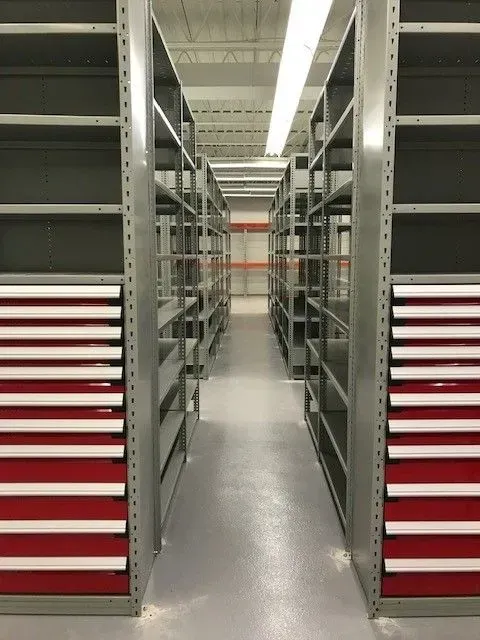
Modular drawer systems fit within shelving bays and organize small parts, components, and fasteners that would otherwise be loose on a shelf. They improve organization, reduce time spent searching for small items, and make inventory counts significantly more accurate. Rousseau modular drawers can also be installed in many third-party shelving systems.
Dividers and Label Holders
Shelf dividers create dedicated locations for each SKU and prevent product from shifting or mixing. Label holders make product identification faster and inventory counts more accurate. These are simple additions with a measurable impact on picking speed and error rates.
Why Most Facilities Benefit from Both
The most effective storage strategies rarely rely on a single shelving configuration. A manufacturing facility might use open shelving for production components pulled throughout the day, closed shelving for valuable tools and equipment that need to be signed out, and modular drawer systems for small fasteners and hardware. Each system is doing the job it was designed for.
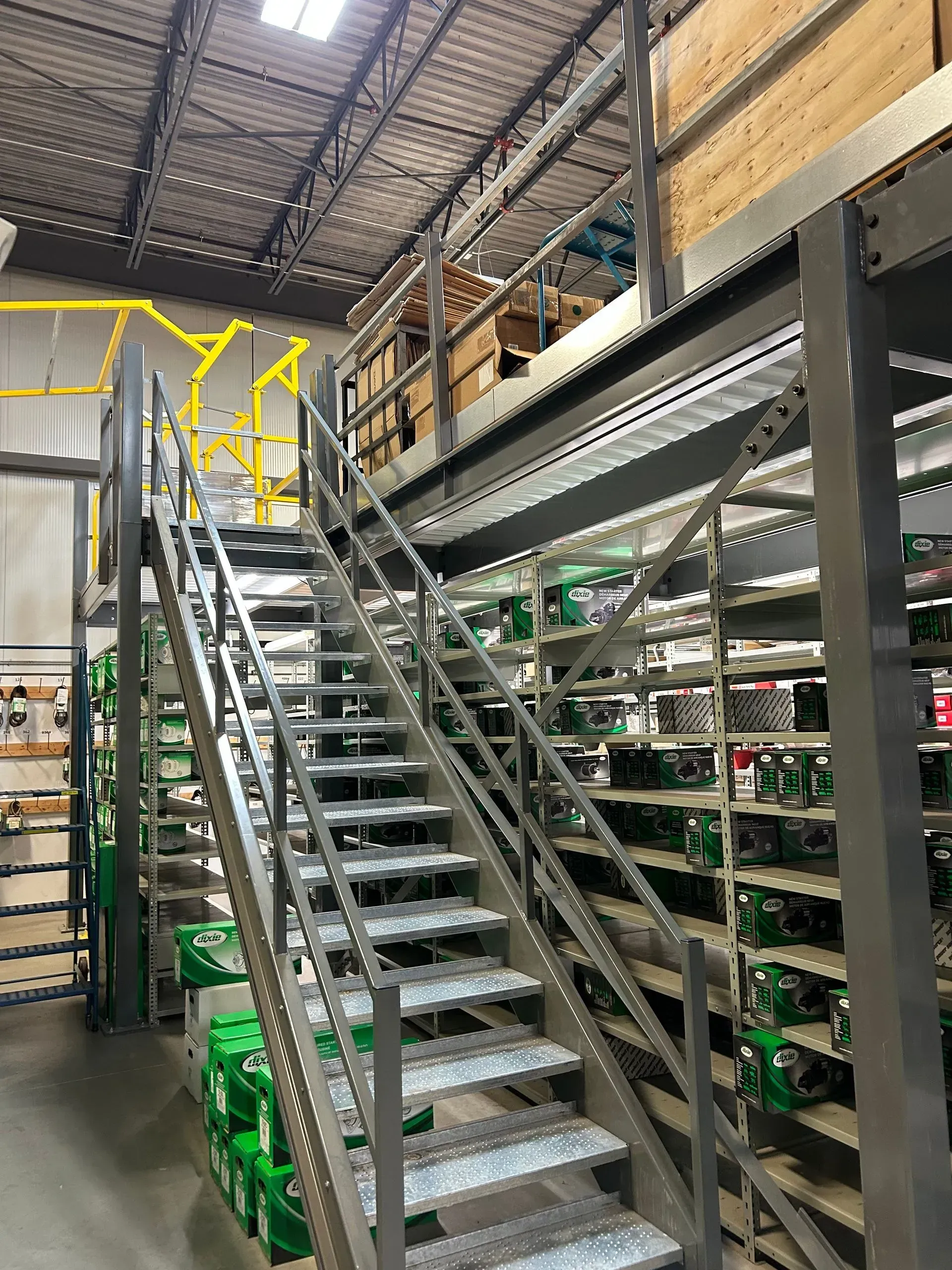
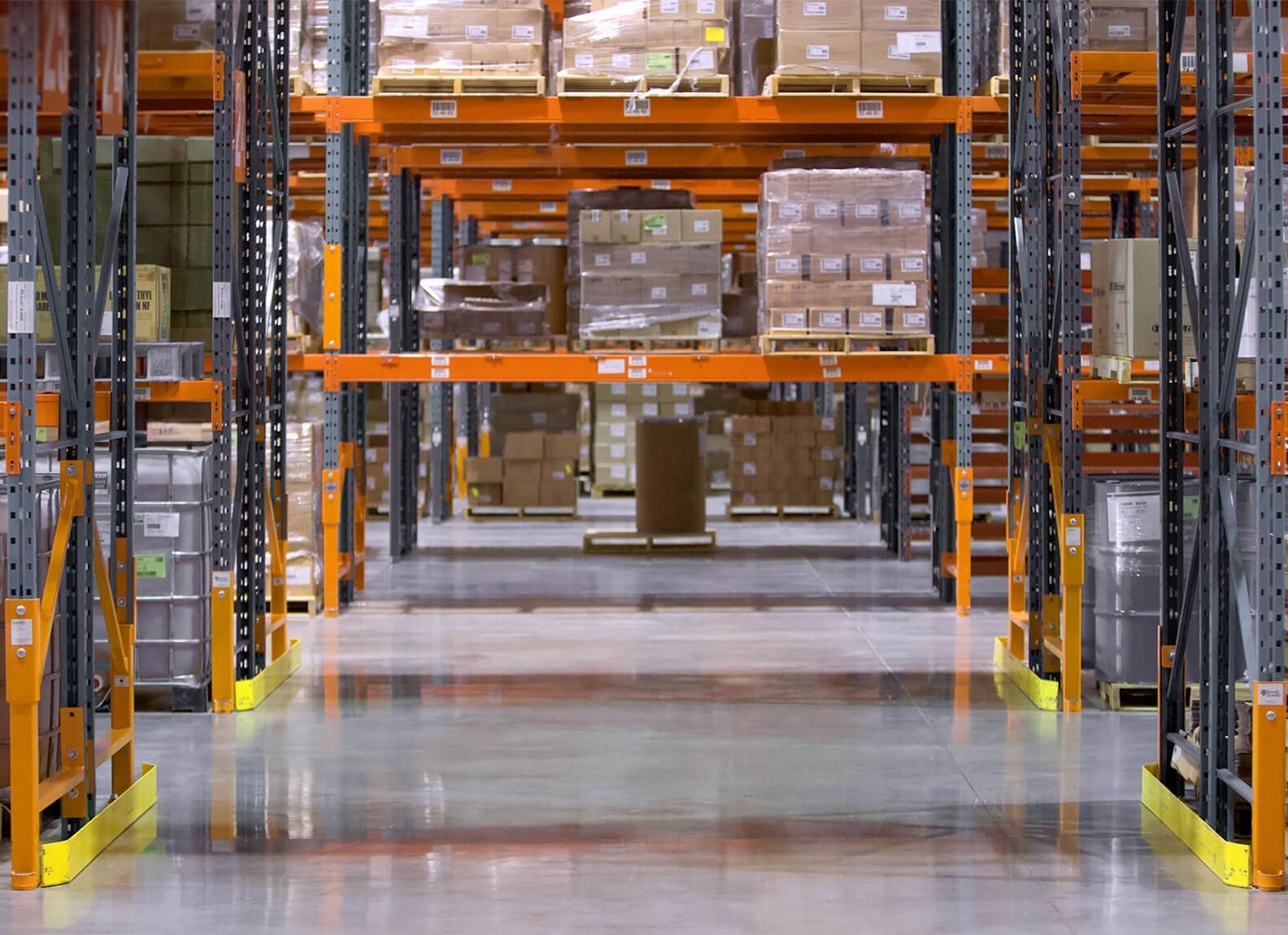
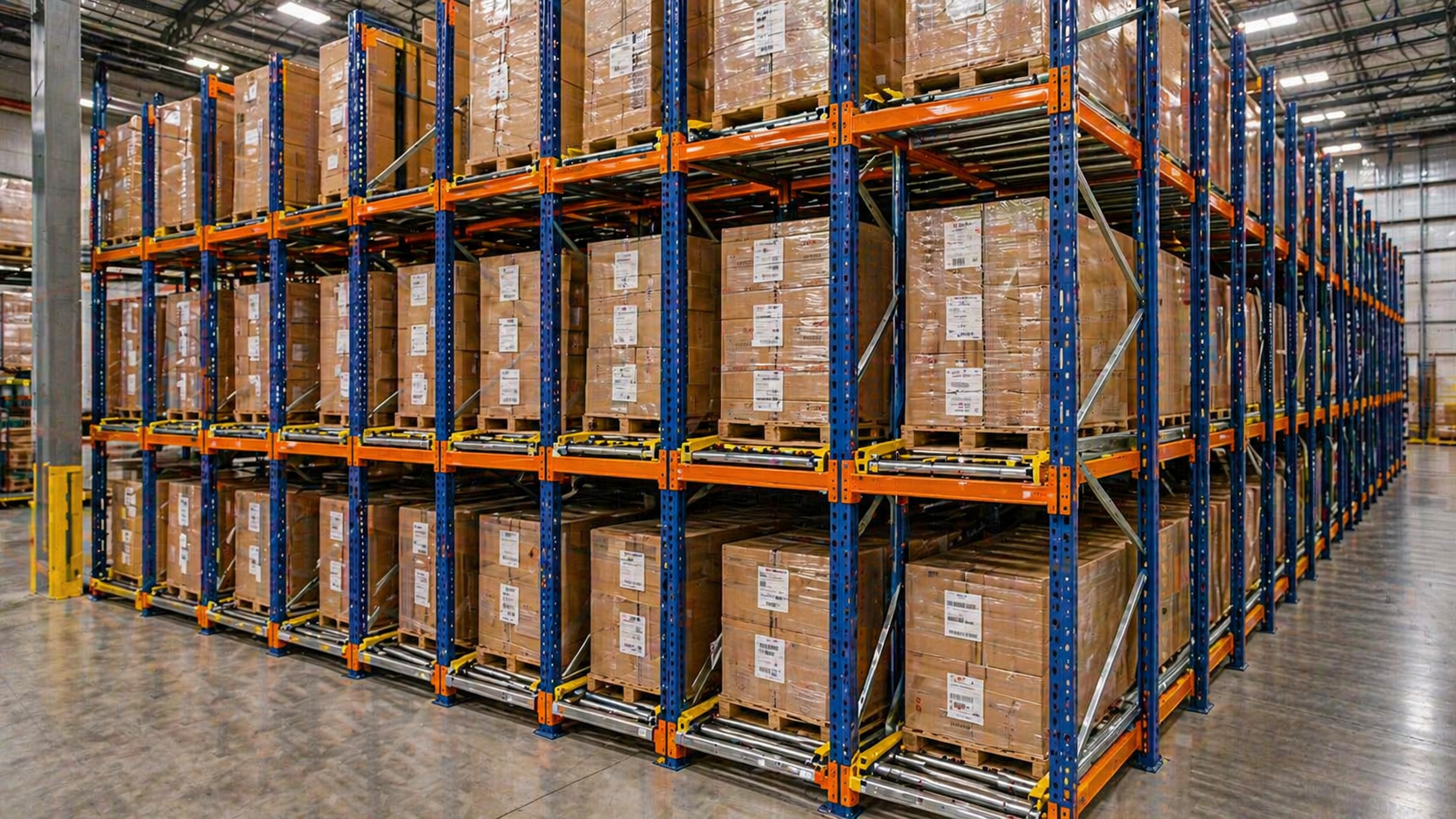
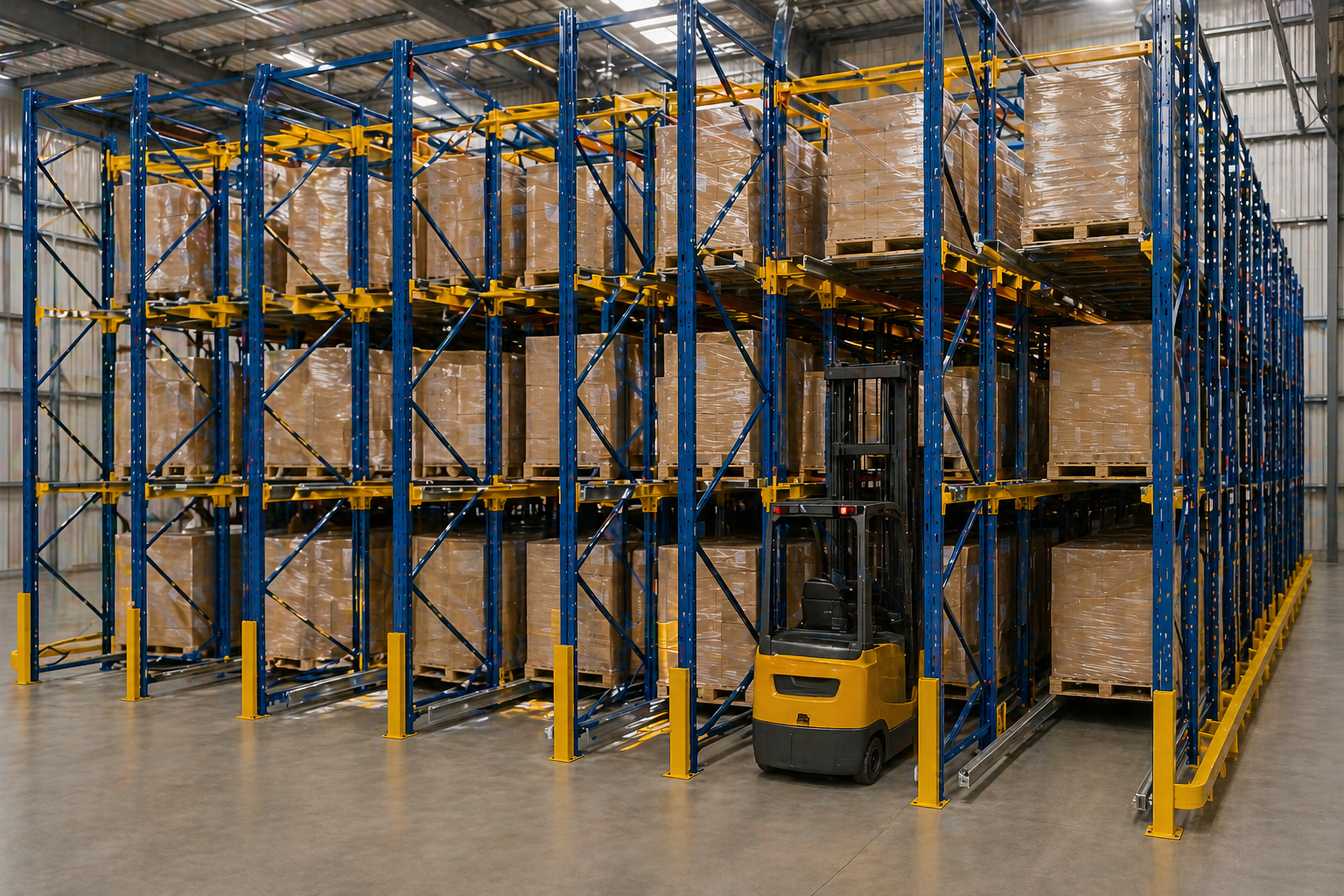
The same logic applies to facilities that use both shelving and racking. Palletized reserve inventory may sit in racking at full building height, while picked inventory is organized in open shelving near the pick and pack area. For a detailed breakdown of when to use shelving versus racking, see our guide on
industrial shelving vs. pallet racking.
When storage decisions are made based on how inventory actually moves through the facility, the result is a more productive operation from end to end. Our
project gallery shows real examples of how Atlantic Canadian facilities have put this approach into practice.
The Stor-It Systems Advantage
Stor-It Systems has been helping organizations across Atlantic Canada design productive, scalable storage environments since 1978. We are an exclusive dealer for Rousseau industrial shelving, one of the most trusted names in the industry, and we have the expertise to recommend the right configuration, the right accessories, and the right layout for how your operation actually works.
Our process starts with understanding your inventory profile, access requirements, security considerations, workflow challenges, and growth plans. We design storage systems that align with operational goals rather than fitting a generic template. The result is shelving that supports your team's productivity from day one and continues to serve the operation as it grows.
Our
consultation and design services are the right starting point for any facility evaluation. Book a session and we will walk through what your operation actually needs, identify the right configurations for each area of the facility, and give you a clear picture of what a well-designed storage environment looks like for your specific workflow and growth plan.
Frequently Asked Questions
Is open shelving less expensive than closed shelving?
In most cases, yes. Open shelving requires fewer components and typically carries a lower initial investment. Closed shelving costs more because of the additional panels, doors, and hardware involved. Whether the additional cost is worthwhile depends on whether your inventory requires the protection and control that closed shelving provides.
Can open and closed shelving be used in the same facility?
Absolutely, and many facilities achieve the best results by doing exactly that. Fast-moving inventory goes in open shelving for quick access, while sensitive or controlled inventory goes in closed shelving for protection and accountability. The goal is matching the storage configuration to the inventory characteristics, not standardizing everything.
Which industries benefit most from closed shelving?
Healthcare, government, laboratory, technical, and electronics environments are among the most common users of closed shelving configurations. Any organization storing sensitive, regulated, valuable, or easily damaged inventory should at least evaluate whether closed shelving is appropriate for some portion of the facility.
Can shelving systems be expanded as operations grow?
Yes. Rousseau shelving is modular by design and can be extended with additional bays, taller uprights, and new accessories without replacing the existing components. Planning for future growth at the design stage makes expansion significantly easier and more cost-effective later.
What is the best shelving option for a parts room or MRO environment?
Parts rooms typically benefit from open shelving for high-turnover items, modular drawers for small components and fasteners, and possibly closed shelving or lockable cabinets for high-value tools. A combination of configurations designed around the specific inventory profile will outperform a one-size-fits-all approach.
Build a Storage System That Works as Hard as Your Team
The right shelving system is not the one with the most capacity or the lowest price. It is the one that supports how your team actually works, keeps inventory organized and accessible, protects what needs protecting, and scales as the business grows. Getting that right is a design exercise as much as a purchasing decision.
The facilities that get the most out of their shelving systems are rarely the ones with the largest budgets. They are the ones that took the time to understand what the operation actually needed before making a purchasing decision. That clarity, whether it comes from an internal review or a formal consultation, is what separates a storage system that performs from one that just holds inventory. Configuration matters. Accessories matter. Layout matters. Getting all three right is what a well-designed shelving strategy looks like.
Whether your facility needs open shelving, closed shelving, a hybrid of both, or a complete storage strategy that combines shelving with racking and high-density systems, Stor-It Systems can design and implement a solution that fits your operation.
Book a free facility consultation today.