Facility Storage for Institutions: How Universities, Hospitals, and Government Organizations in Atlantic Canada Manage Complex Storage Needs
July 29, 2026
Managing storage within an institutional environment is rarely as straightforward as adding another shelving unit or ordering additional cabinets. Universities, hospitals, municipalities, and government agencies each operate under a set of demands where organization, accessibility, accountability, security, and long-term planning carry as much weight as simply maximizing available space. The people and missions these organizations serve depend on storage systems that work reliably, every day, in environments that cannot afford to slow down for a disorganized supply room or an inaccessible archive.
Unlike a warehouse focused primarily on inventory movement, institutional facilities manage a diverse mix of assets: archived patient documentation, research materials, maintenance inventory, laboratory supplies, athletic equipment, emergency response assets, government records, and the personal belongings of hundreds or thousands of employees. Many of these items must remain secure, clearly organized, and accessible to the right people while meeting internal policies, accreditation requirements, or regulatory obligations. The stakes for getting storage wrong are higher than they might appear on a floor plan.
For organizations throughout New Brunswick, Nova Scotia, Prince Edward Island, and Newfoundland, the most practical and cost-effective path forward is rarely a new building or an off-site storage contract. It is making better, more deliberate use of the space already available. That is where thoughtful, consultation-led storage planning makes the difference.
Stor-It Systems has partnered with public institutions, healthcare organizations, educational facilities, and government agencies across Atlantic Canada for nearly 50 years. Every project begins not with a product catalogue but with an understanding of how the organization works, how departments interact, and how storage systems can support operational success over the long term. This guide covers the four most common institutional storage challenges we encounter, how each maps to a specific storage solution, and what to look for in a partner capable of delivering results in complex institutional environments.
Why Institutional Storage Requires a Different Approach
Institutional storage projects involve considerations that rarely appear in commercial or industrial storage work. Decisions move through multiple stakeholders: facilities managers, procurement teams, department heads, maintenance personnel, infection control leads, and executive leadership, each bringing different priorities to the table. Maximizing budget, improving workflow efficiency, meeting security requirements, maintaining accessibility standards, and planning for future growth may all need to be addressed simultaneously within a single project scope.
Because of these competing priorities, the lowest-cost solution is almost never the best long-term investment in an institutional setting. Durable, adaptable storage systems that reduce lifecycle replacement costs, support changing operational requirements, and integrate with surrounding workflows consistently deliver more value than lower-cost alternatives that require full replacement within a few years of installation.
Operational continuity is another consideration that distinguishes institutional work. Hospitals continue caring for patients during renovations. Universities remain fully operational through academic terms. Government offices serve the public throughout upgrades. Storage projects must be planned and sequenced to maintain safe access, protect ongoing operations, and allow departments to continue functioning effectively while improvements are underway. This requires experience, not just products.
The most successful institutional storage projects in Atlantic Canada share a common characteristic: they begin with a thorough understanding of how the facility operates before a single product is recommended. Workflows, inventory profiles, access patterns, compliance requirements, and five-to-ten-year growth plans all inform the design. The result is a storage system tailored to the institution, not a generic solution that forces the institution to adapt.
Challenge One: Managing Records, Archives, and Information
Despite the continued expansion of digital systems, physical records remain an essential and growing responsibility for most institutional organizations. Healthcare facilities maintain archived patient documentation, compliance records, and historical clinical files that may need to be retained for decades. Universities preserve research materials, engineering drawings, student archives, and special collections. Municipalities and government agencies retain permits, legal files, engineering documents, and administrative records under statutory retention schedules that can span generations.
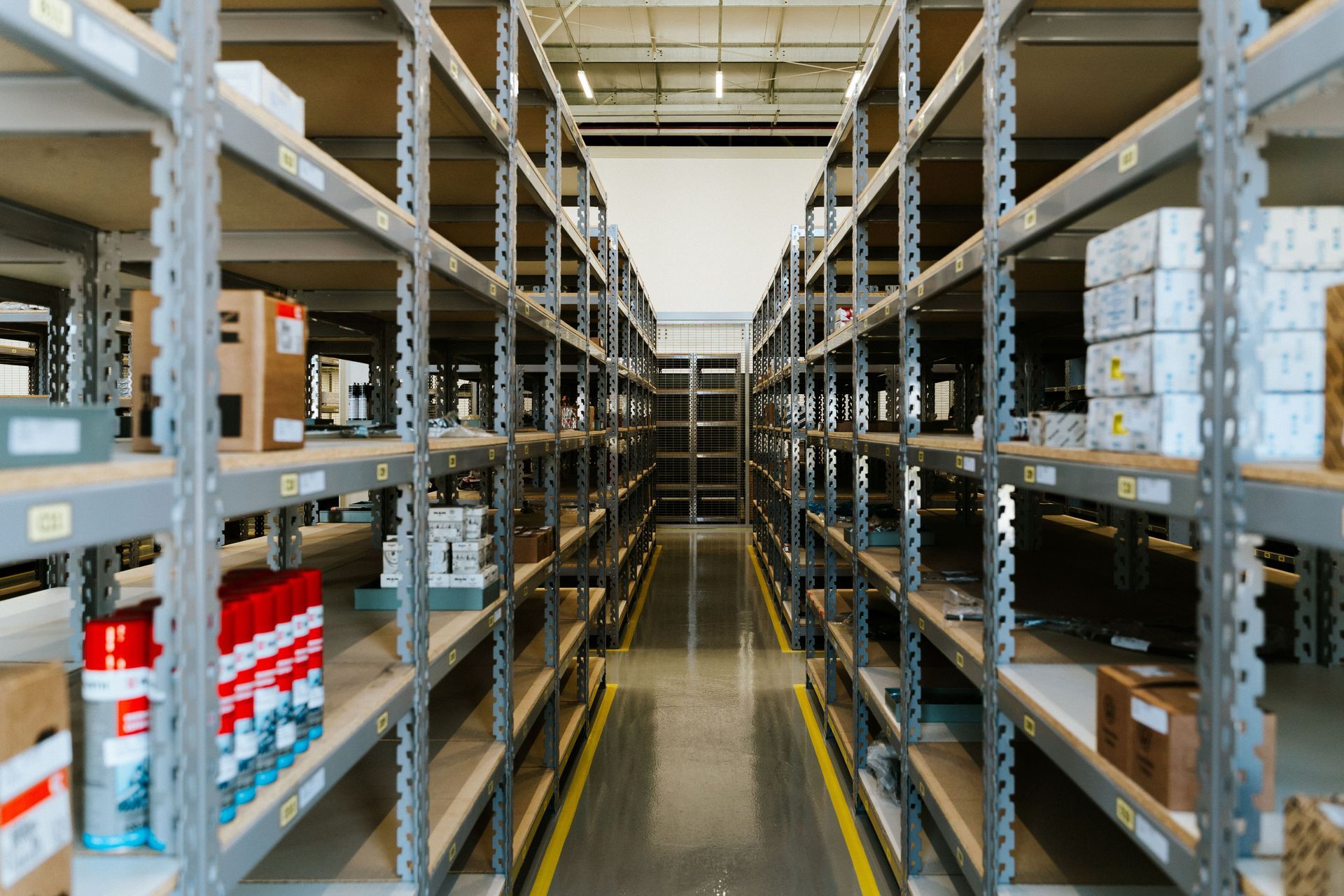
Traditional static shelving manages these materials in the most space-inefficient way possible. Every row of shelving requires a permanent aisle dedicated to access, which means a significant portion of the room's floor area is permanently occupied by empty walkways rather than storage. As collections grow, organizations frequently assume they need additional rooms, a building addition, or an off-site storage contract when, in many cases, their existing footprint could support two to three times the current capacity with a better storage system.
High-density mobile shelving systems, such as the Spacesaver systems available through Stor-It Systems, provide a fundamentally more efficient alternative. Rather than maintaining multiple permanent aisles, shelving units move along precision floor tracks, creating access only in the location where an employee needs it at any given moment. The result is storage density that can exceed static shelving by 50 percent or more within the same floor area, without adding square footage to the building envelope.
Beyond maximizing space, mobile storage systems improve organization by creating consistent, permanent locations for every category of material. They enhance security by allowing access control to be applied at the row level. They reduce document retrieval time by eliminating the search across multiple aisles. And they create a cleaner, more professional records environment that reflects well on the institution and simplifies audit and compliance processes.
For institutions managing thousands or tens of thousands of physical files, the long-term cost avoidance associated with eliminating or deferring facility expansions consistently outweighs the initial investment in a high-density system. Our guide on maximizing storage capacity without expanding your building covers the broader principles behind this approach.
Challenge Two: Equipment Accountability and Operational Readiness
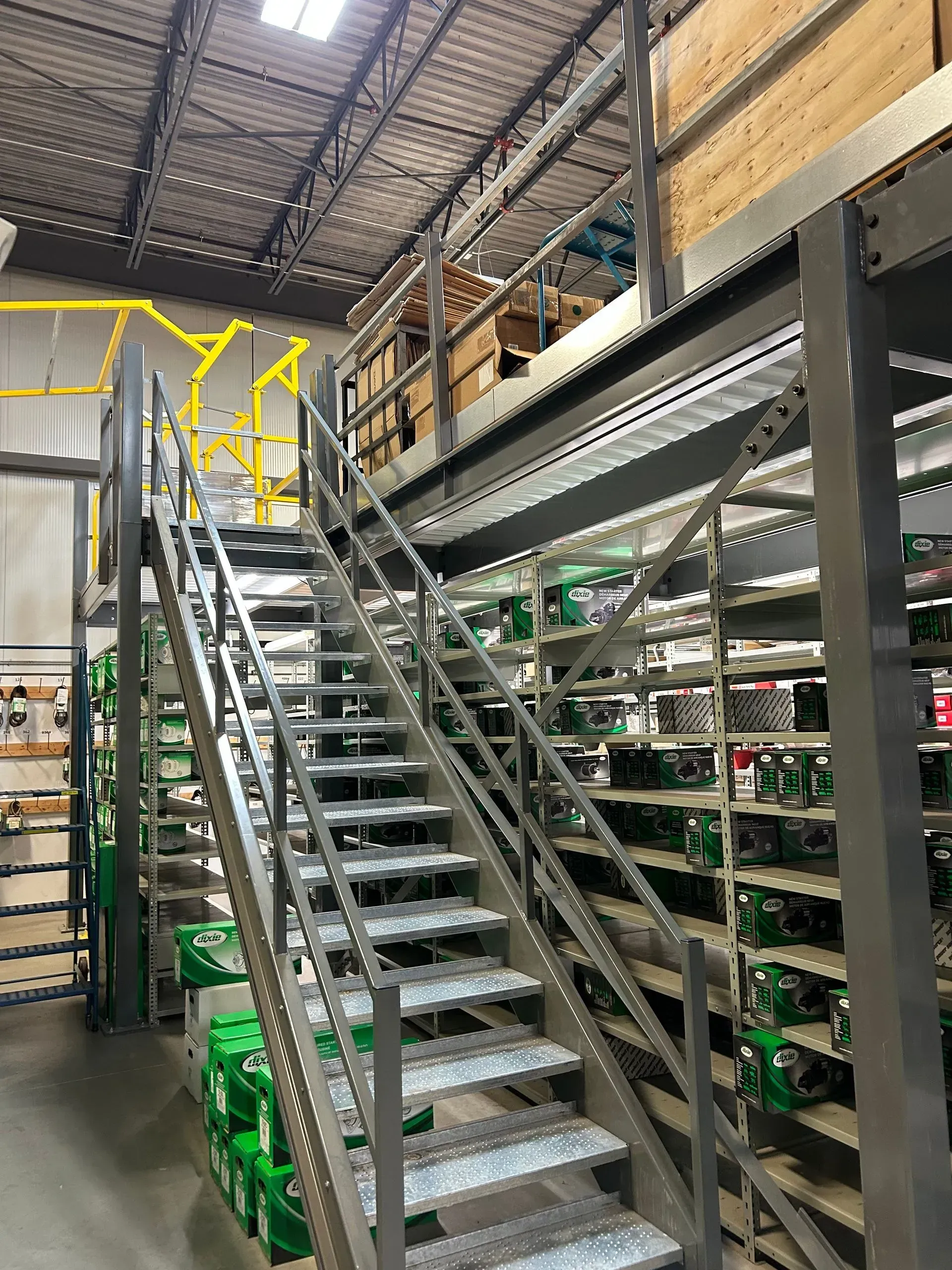
Institutional facilities manage an extraordinary variety of physical assets that must be available when needed, in good condition, and stored where they can be found quickly. Maintenance departments rely on specialized tools and replacement components that may be critical to resolving an urgent facilities issue. Healthcare facilities manage clinical equipment, support inventory, and operational supplies that directly affect patient care. Universities oversee laboratory instruments, athletic equipment, IT hardware, and maintenance inventory across dozens of departments and buildings. Municipal operations maintain public works inventory, emergency response equipment, fleet maintenance tools, and seasonal assets that must be located reliably when they are needed.
When these items are stored without a structured system, the consequences extend well beyond clutter. Employees spend measurable time searching for equipment before every use. Duplicate purchases occur because existing inventory cannot be located, creating waste and inflating operating budgets. Maintenance schedules slip because the right part is not where it is supposed to be. Valuable assets are damaged through improper storage or lost entirely. These losses do not appear as a single line item; they accumulate invisibly across hundreds of small operational friction points every week.
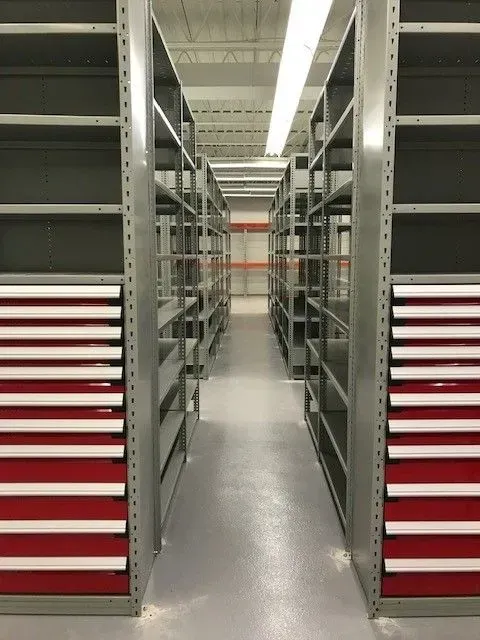
Purpose-built industrial cabinets, modular drawer systems, configurable industrial shelving, and organized parts storage create clear accountability structures that address these problems at the source. When every tool, component, and supply has a designated location, employees know where to find it, where to return it, and when it needs to be replenished. Inventory counts become faster and more accurate. Maintenance response times improve. And the operational confidence that comes from knowing critical assets are organized and accessible allows institutional teams to focus on serving students, patients, residents, and communities rather than managing disorganized supply rooms.
Well-designed equipment storage also improves workplace safety by reducing unnecessary handling, eliminating trip hazards created by improperly stored materials, and ensuring frequently used items are positioned at ergonomically appropriate heights. For more on how workstation and storage design affects safety and productivity together, see our guide on ergonomic workspaces in industrial facilities.
Challenge Three: Staff Lockers and Personal Storage
Personal storage is consistently one of the most underestimated components of an institutional facility, yet it plays a direct role in employee experience, operational organization, and workplace culture. Healthcare professionals, maintenance technicians, first responders, municipal employees, university staff, and recreation personnel all require secure, durable storage for uniforms, personal belongings, equipment, and specialized work apparel. In clinical environments, locker systems also support infection control procedures, clean-and-dirty clothing separation, and secure storage for sensitive personal protective equipment.
Traditional locker systems frequently fail institutional environments. They damage quickly under daily use by large employee populations. They provide limited flexibility as departments grow or operational requirements change. And they often fail to meet the evolving expectations of employees who increasingly view the quality of their work environment as a meaningful factor in their decision to stay with an organization.
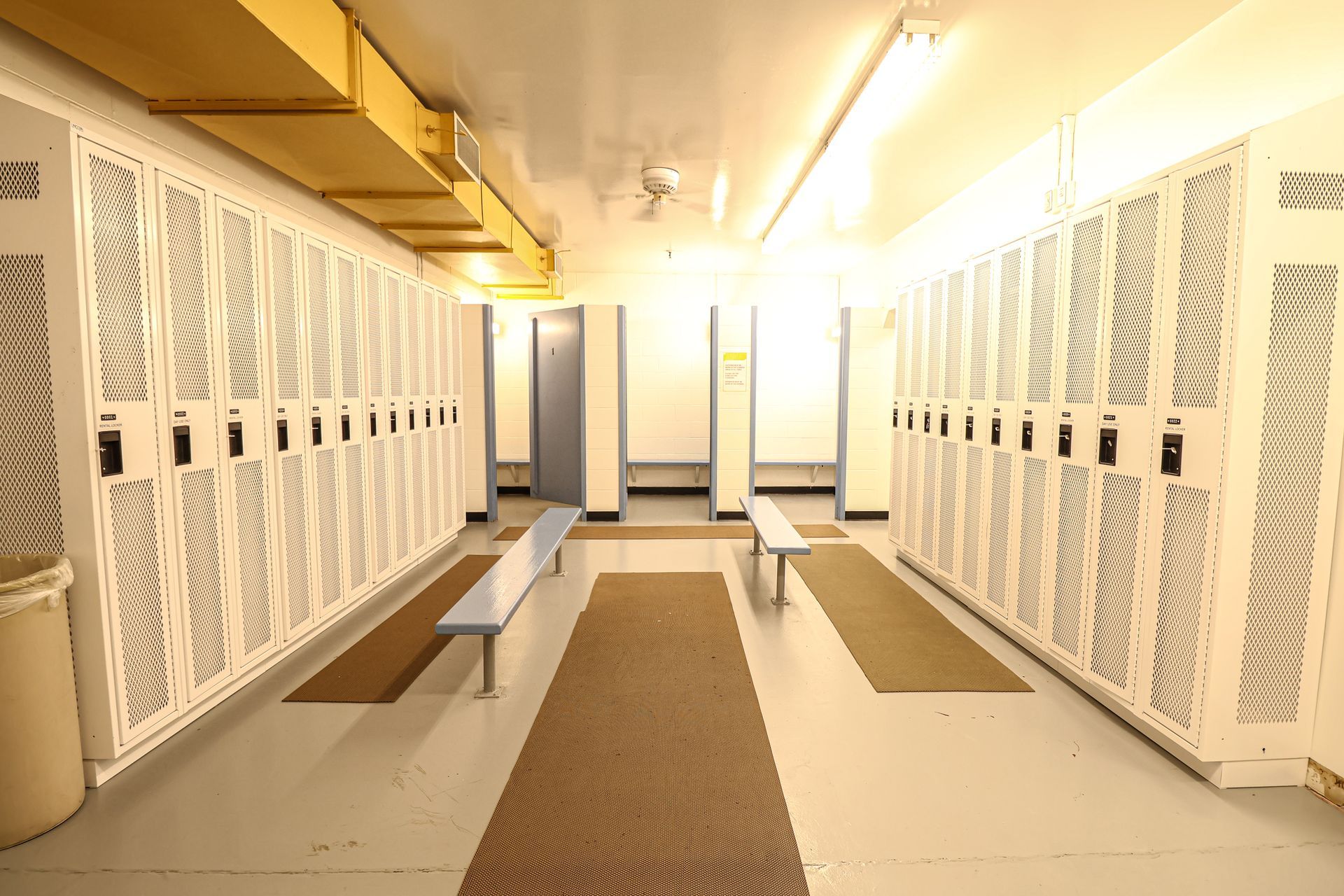
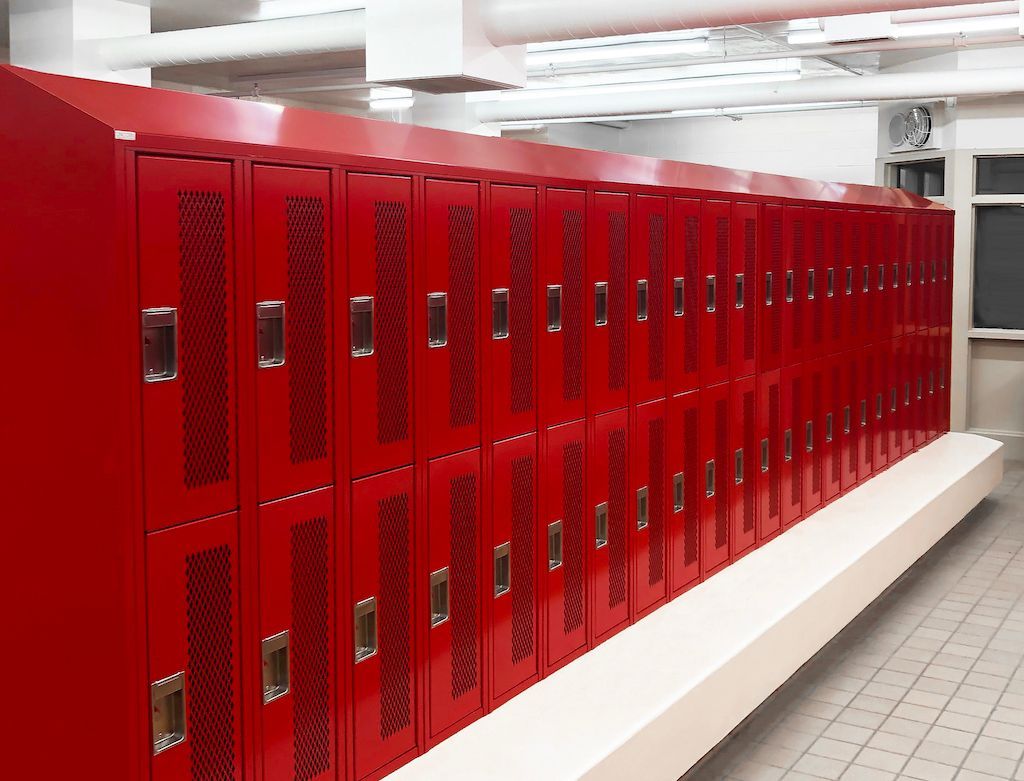
Modern institutional locker systems, such as the Lincora systems available through Stor-It Systems, offer a fundamentally different level of configurability and durability. Depending on the application, facilities can incorporate full-height and half-height configurations, ventilated lockers for healthcare and recreation environments, day-use and permanent employee assignments, electronic locking and digital access control, device charging capabilities, mixed-size compartments for specialized equipment storage, and antimicrobial finishes for clinical applications where infection control is a regulatory and operational priority.
The modular design of modern locker systems also makes future expansion significantly more practical. As staffing levels grow or departments reorganize, systems can be extended or reconfigured without replacing the entire installation. For institutions planning a new locker room, a healthcare facility renovation, or an athletic centre upgrade, designing the system with future flexibility in mind is one of the most cost-effective decisions that can be made at the planning stage.
Organized, well-designed locker facilities also contribute to a more professional first impression for incoming employees, students, and visitors, an increasingly important consideration for institutions competing for talent and working to establish strong organizational cultures.
Challenge Four: Laboratory and Technical Supply Organization
Laboratories, engineering departments, maintenance shops, research facilities, and technical service areas present some of the most demanding storage requirements found in any institution. Unlike general office or administrative environments, these departments manage thousands of specialized components that vary dramatically in size, weight, fragility, access frequency, and security requirements. Fasteners, electrical components, testing equipment, precision instruments, chemicals, replacement parts, and calibration tools must be organized in ways that make them quickly retrievable by qualified personnel while protecting them from damage, contamination, or unauthorized access.
When storage systems fail to support these requirements, the operational impact is immediate. Employees spend time searching for materials rather than performing technical work. Sensitive instruments are damaged through improper storage. Consumable inventory is over-ordered because existing stock cannot be located, driving up supply costs while cluttering the workspace with excess materials. Valuable bench space disappears under items that have no permanent designated location. And in regulated laboratory environments, the inability to demonstrate organized, accountable storage of certain materials can create compliance exposure.
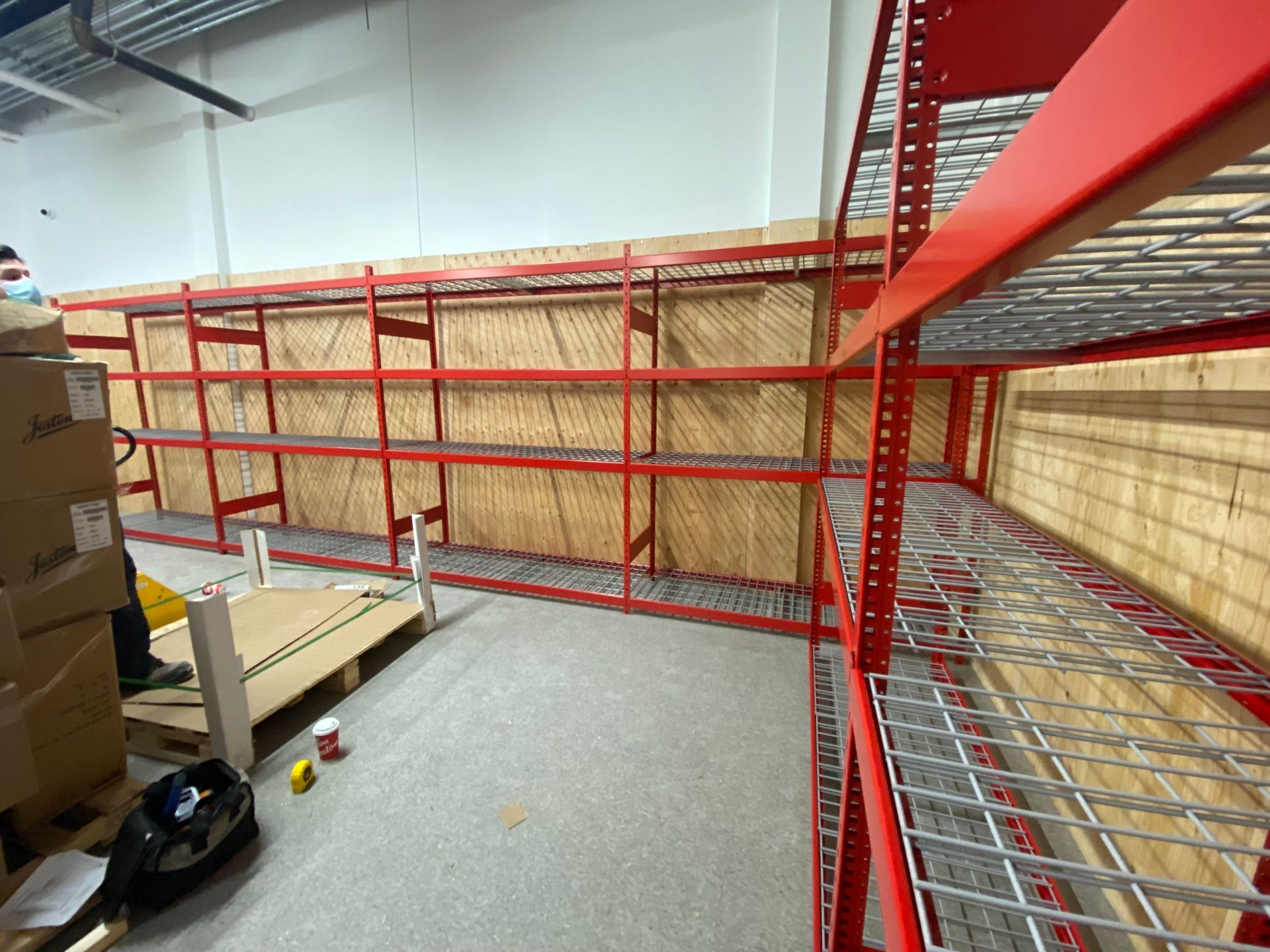
Modular storage systems address these challenges through flexibility and specificity rather than fixed, one-size-fits-all layouts. Industrial drawer cabinets with configurable interior dividers organize small components precisely. Adjustable shelving accommodates equipment of varying dimensions without wasted vertical space. Secure cabinets protect sensitive or regulated materials while maintaining accessibility for authorized users. High-density storage configurations recover floor space in environments where every square foot of bench and work area is valuable. And modular workstations integrate storage with the work surface itself, creating organized technical environments where everything needed for a task is within reach.
One of the most significant advantages of modular technical storage is its ability to evolve alongside the laboratory or shop. When equipment changes, processes are updated, or departments expand, layouts can be reconfigured without replacing the entire system. For institutions managing capital budgets carefully and planning storage investments to last a decade or more, this adaptability is as important as any individual product specification.
Why Consultation-Led Design Delivers Better Long-Term Results
One of the most common misconceptions about institutional storage projects is that success depends primarily on selecting the right products. In practice, the product selection is only one part of the outcome. The more important variable is whether the storage system was designed around how the institution actually operates.
Every organization has different workflows, operational priorities, security requirements, staffing patterns, and growth plans. A university research laboratory functions very differently from a municipal public works facility. A hospital archive has different access and security requirements than an athletic equipment room. Even departments within the same institution often require completely different storage strategies within a single building. A storage system that works well in one environment may actively create problems in another if it was selected based on product specifications rather than operational fit.
Stor-It Systems approaches every institutional project through consultation before any recommendation is made. Rather than starting with a product catalogue, the process starts with questions about how the organization works today and where it needs to go:
- What challenges are employees experiencing with the current storage environment?
- Where are bottlenecks and inefficiencies occurring in daily operations?
- Which assets require enhanced security or controlled access?
- How might staffing levels, inventory profiles, or operational requirements change over the next five to ten years?
- Can the existing space be better utilized before considering a building addition or off-site storage?
Answering these questions produces a storage design that supports institutional operations rather than simply occupying floor space. The result is a system that solves today's challenges while remaining adaptable to the changes that will inevitably come. Our consultation and design services are built specifically around this process.
Institutional Work Across Atlantic Canada
Over nearly five decades, Stor-It Systems has partnered with organizations throughout New Brunswick, Nova Scotia, Prince Edward Island, and Newfoundland to deliver storage solutions tailored to complex institutional environments. These projects have covered the full range of institutional storage challenges, from high-density archive systems and healthcare locker room renovations to laboratory storage upgrades and government facility reorganizations.
Organizations we have worked with include Dalhousie University, the Dalplex Athletic Centre, St. Joseph's Hospital, Oromocto Public Hospital, the Government of New Brunswick Department of Transportation and Infrastructure, and Asante Truro, among others. Each project presented a different set of operational requirements, procurement constraints, and long-term planning objectives. The consistent thread across all of them was that the best outcome came from understanding the institution first and recommending products second.
The breadth and calibre of these institutional relationships reflects something that cannot be replicated by a product-first supplier: the accumulated experience of working through real operational challenges in real Atlantic Canadian institutions, and the trust that comes from delivering on those commitments over time. Our project gallery provides further examples of institutional work completed across the region.
Choosing the Right Institutional Storage Partner
Selecting a storage partner for an institutional environment is a decision that extends well beyond comparing product specifications or obtaining the lowest quote. The right partner needs to understand how the organization operates today and how to prepare it for operational changes, evolving regulations, and growth over the next decade. Here are the most important considerations when evaluating providers for institutional storage work in Atlantic Canada.
Does the provider start with consultation, not products?
Every institution is operationally unique. A quality storage partner invests time understanding your workflows, operational challenges, available space, compliance requirements, and long-term growth objectives before making any product recommendation. If a provider's first response to a storage inquiry is a product catalogue rather than a conversation about how your organization works, that is a meaningful signal about the quality of the outcome you can expect.
Can the solution grow with the organization?
Institutional facilities evolve. Departments expand, regulations change, technology updates, and operational priorities shift over years and decades. Modular storage systems that can be expanded, reconfigured, or adapted to new requirements provide far greater long-term value than fixed solutions that require complete replacement when circumstances change. At the institutional scale, the difference in lifecycle cost between an adaptable system and a fixed one is often substantial.
Is the equipment built for institutional-grade daily use?
Hospitals, universities, municipalities, and government facilities operate continuously. Storage systems in these environments face far heavier daily use than comparable commercial applications, and the cost of a system failing prematurely, including replacement, disruption, and the operational gaps created during the transition, is significant. Durability, reliability, and ease of maintenance should be primary evaluation criteria alongside appearance and initial cost.
Does the provider offer complete project support?
Successful institutional storage projects extend well beyond product delivery. Space planning, layout design, procurement coordination, professional installation, and post-installation support all contribute to a smoother implementation and a better long-term outcome. Providers who manage only part of the process leave institutions coordinating the gaps themselves, which adds complexity and risk to projects that are already operationally sensitive.
Is there local expertise and a local presence?
Working with a team that understands Atlantic Canada's institutional landscape, procurement processes, and regional operational requirements provides a meaningful level of confidence that out-of-region suppliers cannot offer. Local presence also means faster response times, established relationships with regional trades and facilities contacts, and continued support well after installation is complete. When a question or issue arises six months or two years after a project closes, a local partner is there to respond.
Frequently Asked Questions
- What types of institutions benefit most from customized storage solutions?
- Universities, colleges, hospitals, long-term care facilities, municipalities, provincial and federal government departments, schools, recreation centres, emergency services organizations, research facilities, and public agencies all benefit from storage systems designed around their specific operational requirements. The common thread is complexity: multiple stakeholders, diverse asset types, compliance obligations, and the need for systems that will serve the institution reliably for years rather than months.
- Can existing storage rooms be upgraded without expanding the building?
- In most cases, yes, and often significantly. Through improved layouts, high-density mobile shelving, modular storage systems, and better space utilization, institutions regularly recover 40 to 100 percent more usable storage capacity within their existing footprint. A professional assessment of the current space is the most reliable way to understand what is possible before committing to a building expansion or off-site storage contract.
- How long do institutional-grade storage systems typically last?
- High-quality institutional storage systems, properly specified and professionally installed, are designed for decades of daily use. The Rousseau, Spacesaver, and Lincora systems we supply to Atlantic Canadian institutions are built to institutional standards and carry the load ratings, finish durability, and structural integrity required for high-frequency, long-term operation. Investing in the right system at the outset consistently produces lower lifecycle costs than replacing lower-quality alternatives every five to eight years.
- Can storage systems be customized for specific departmental requirements?
- Yes, and this is one of the primary advantages of the systems Stor-It Systems provides to institutional clients. Shelving configurations, cabinet dimensions and locking options, locker sizes and hardware, workstation layouts, and mobile storage track configurations can all be specified to match the operational requirements of individual departments rather than forcing departments to adapt to standard product dimensions. Modular designs also allow configurations to be changed as requirements evolve without replacing the entire system.
- Can Stor-It Systems work within public sector procurement requirements?
- Yes. Stor-It Systems has extensive experience working within the procurement frameworks applicable to public universities, health authorities, municipalities, and provincial government departments across Atlantic Canada. Our team understands the documentation, timelines, and approval processes common to institutional procurement and can support your organization through the process from initial consultation through final installation sign-off.
- Does Stor-It Systems serve institutions throughout all of Atlantic Canada?
- Yes. We serve institutional clients throughout New Brunswick, Nova Scotia, Prince Edward Island, and Newfoundland. Our team has completed institutional projects across all four provinces for clients in healthcare, education, government, public safety, recreation, and research environments. Contact us here to discuss your project.
Storage That Supports Your Institution's Mission
Institutional storage is not a facilities management detail. It is an operational foundation that affects how effectively every department can do its work. Well-planned storage systems improve efficiency, enhance workplace safety, protect valuable and irreplaceable assets, support regulatory compliance, and create environments where employees can focus on serving students, patients, residents, and communities rather than working around disorganized, inaccessible, or inadequate storage.
Whether the challenge is a hospital records archive growing beyond its current room, a university athletic facility in need of a modern locker system, a government maintenance depot that cannot keep track of its inventory, or a research laboratory where the workbench has disappeared under unshelved supplies, the solution begins with understanding the problem in its operational context, not with selecting a product from a catalogue.
That is the approach Stor-It Systems has applied to institutional storage work across Atlantic Canada for nearly 50 years. It is why organizations like Dalhousie University, NB Power, St. Joseph's Hospital, and Oromocto Public Hospital have trusted us with their facilities, and why many of those relationships have continued across multiple projects and decades.
If your institution is managing storage challenges that are affecting operational efficiency, compliance, employee experience, or long-term planning, the most productive first step is a conversation. Book a free consultation with our team today.
Need Help Planning Your Warehouse or Industrial Space?
Storage, loading docks, commercial doors, and material handling -solved.
No obligation. Local experts.
Insights to fuel your marketing business
Sign up to get industry insights, trends, and more in your inbox.
Contact Us
We will get back to you as soon as possible.
Please try again later.
SHARE THIS
Latest Posts