Government and Municipal Storage Solutions in Atlantic Canada: How Public Sector Organizations Manage Equipment, Records, and Operational Storage
September 21, 2026
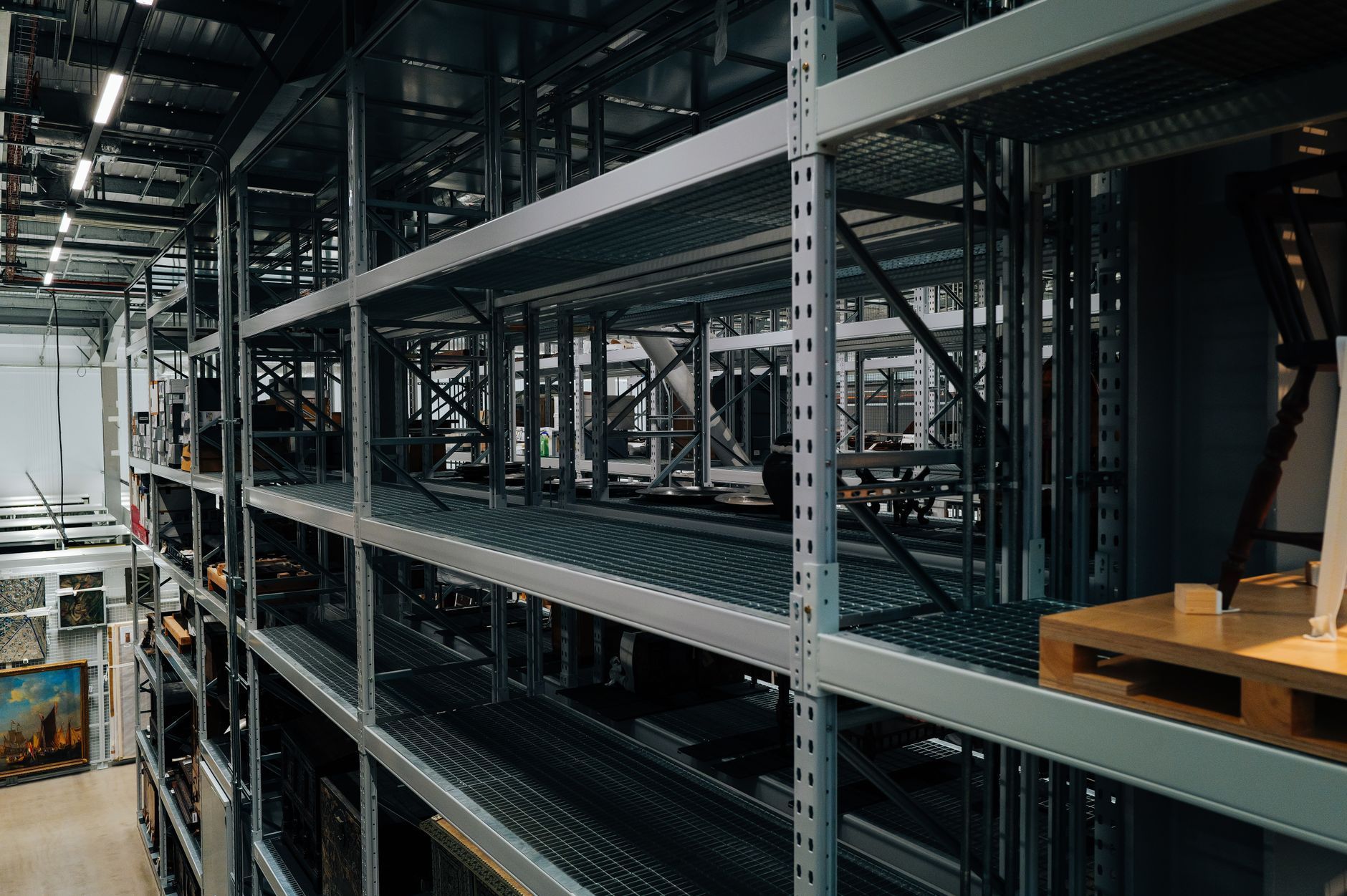
Public sector organizations operate under a set of storage demands that private businesses rarely face in the same combination. Government departments, municipalities, Crown corporations, and public agencies across Atlantic Canada must manage physical records under statutory retention obligations, account for equipment and assets with a level of auditability that serves the public interest, maintain operational storage across facilities that serve communities continuously, and make every storage investment through procurement frameworks designed to ensure fairness, transparency, and long-term value for public money.
These demands do not disappear when space runs short or when storage systems reach the end of their service life. They intensify. A government records room that has run out of capacity still carries the same retention obligations on the materials it holds. A municipal maintenance depot that cannot locate parts efficiently still carries the same obligation to keep public infrastructure running. A Crown corporation technical workspace that no longer supports the work being done there still carries the same obligation to maintain a productive, accountable operation.
This guide covers the four most common storage challenges facing government and municipal organizations throughout New Brunswick, Nova Scotia, Prince Edward Island, and Newfoundland, how each challenge maps to a specific solution, and what public sector organizations should look for in a storage partner capable of meeting their specific operational and procurement requirements.
Why Public Sector Storage Is Different
The operational and governance context of public sector storage creates challenges that do not exist in private commercial settings. Understanding this context is what separates a storage partner with genuine public sector experience from one who treats government projects as standard commercial work.
Procurement compliance is the most visible difference. Government departments, health authorities, municipalities, and Crown corporations are typically subject to procurement policies that require competitive tendering above certain thresholds, vendor qualification, purchasing authority approval, and detailed documentation of selection rationale. These requirements exist to protect the public interest, and they add complexity and timeline considerations that must be planned for, not worked around.
Asset accountability standards in the public sector reflect the obligation of government organizations to demonstrate stewardship of public resources. Equipment, tools, inventory, and supplies must be traceable, countable, and auditable in ways that satisfy internal audit requirements and, in some cases, external review. Storage systems that support clear organization and easy inventory reconciliation are not just operationally useful in government settings. They are governance requirements.
Long-term investment planning is also different in the public sector. Government organizations plan on budget cycles that may span multiple fiscal years. Capital equipment decisions are evaluated over their full lifecycle cost rather than purchase price alone. Storage systems that are modular, expandable, and designed to last for decades align better with public sector investment planning than lower-cost alternatives that require replacement on shorter cycles.
Operational continuity requirements are especially significant for organizations that serve the public directly. Municipal offices, emergency services facilities, maintenance depots, and public works operations cannot pause their work for storage improvements. Projects must be planned and executed around the operational schedule of the organization, with minimal disruption to the services the public depends on.
The Four Most Common Government and Municipal Storage Challenges
1. Records and Archive Management Under Retention Obligations
Governments and public agencies at every level generate and must retain physical records under statutory schedules that often span decades or generations. Municipal permits, engineering drawings, legal files, administrative records, meeting minutes, financial documents, and historical materials all carry retention requirements that cannot be managed by simply deleting files or compressing boxes. The physical records exist, they must be kept, they must be retrievable on demand, and the space required to hold them grows every year.
Traditional static shelving manages growing record volumes in the least space-efficient way possible. Each row of shelving requires a permanent aisle for access, meaning that a significant portion of the room's floor area is occupied by walkways rather than storage. As collections grow, organizations assume they need more rooms when better storage design could recover 50 percent or more of the existing space within the current footprint.
High-density mobile shelving systems, such as the Spacesaver systems available through Stor-It Systems, eliminate fixed aisles by mounting shelving on floor tracks. Access is created only where it is needed at any given moment. The result is archive storage capacity that can more than double within the existing room without construction. For public sector organizations managing growing record obligations on fixed facility budgets, high-density mobile shelving is frequently the most cost-effective capacity solution available.
2. Maintenance and Fleet Inventory Accountability
Municipal public works departments, facilities maintenance teams, utilities, and fleet operations manage extensive inventories of parts, tools, consumables, and equipment that must be available when needed and accountable at all times. When storage in maintenance areas is disorganized, the consequences ripple through the entire operation: technicians spend time searching for parts instead of doing maintenance work, inventory counts become unreliable, over-ordering compensates for stock that cannot be located, and accountability gaps create audit exposure.
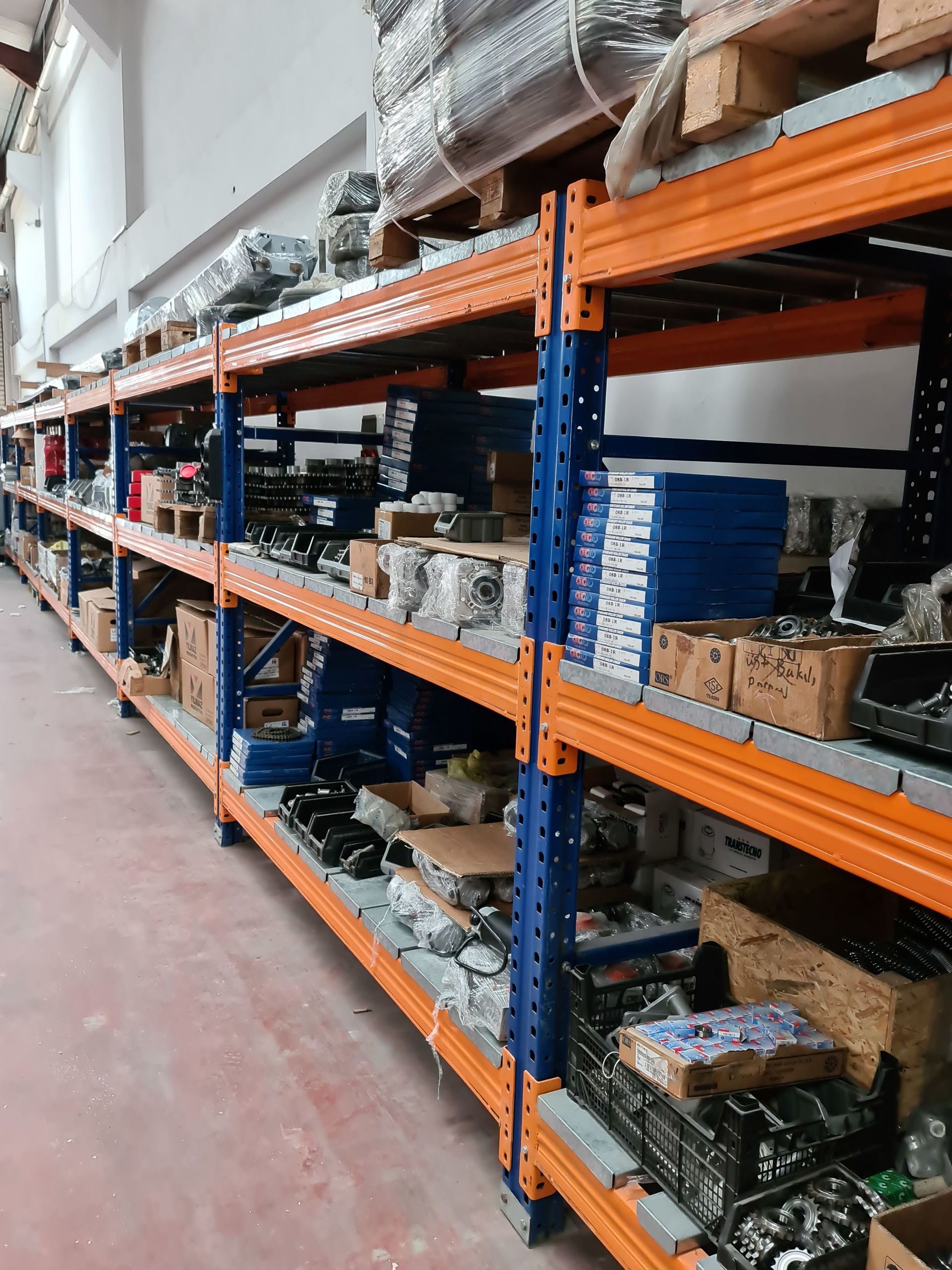
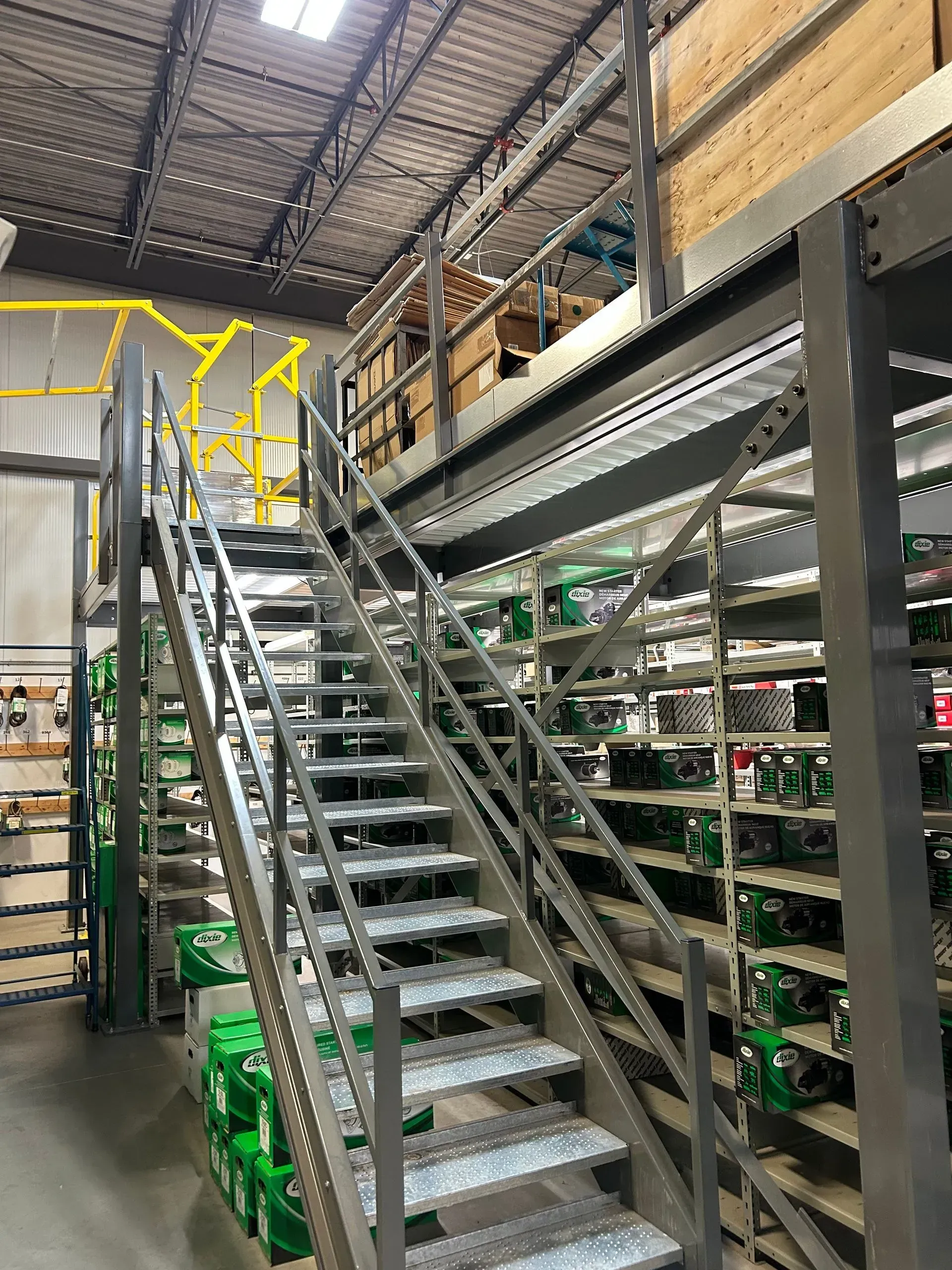
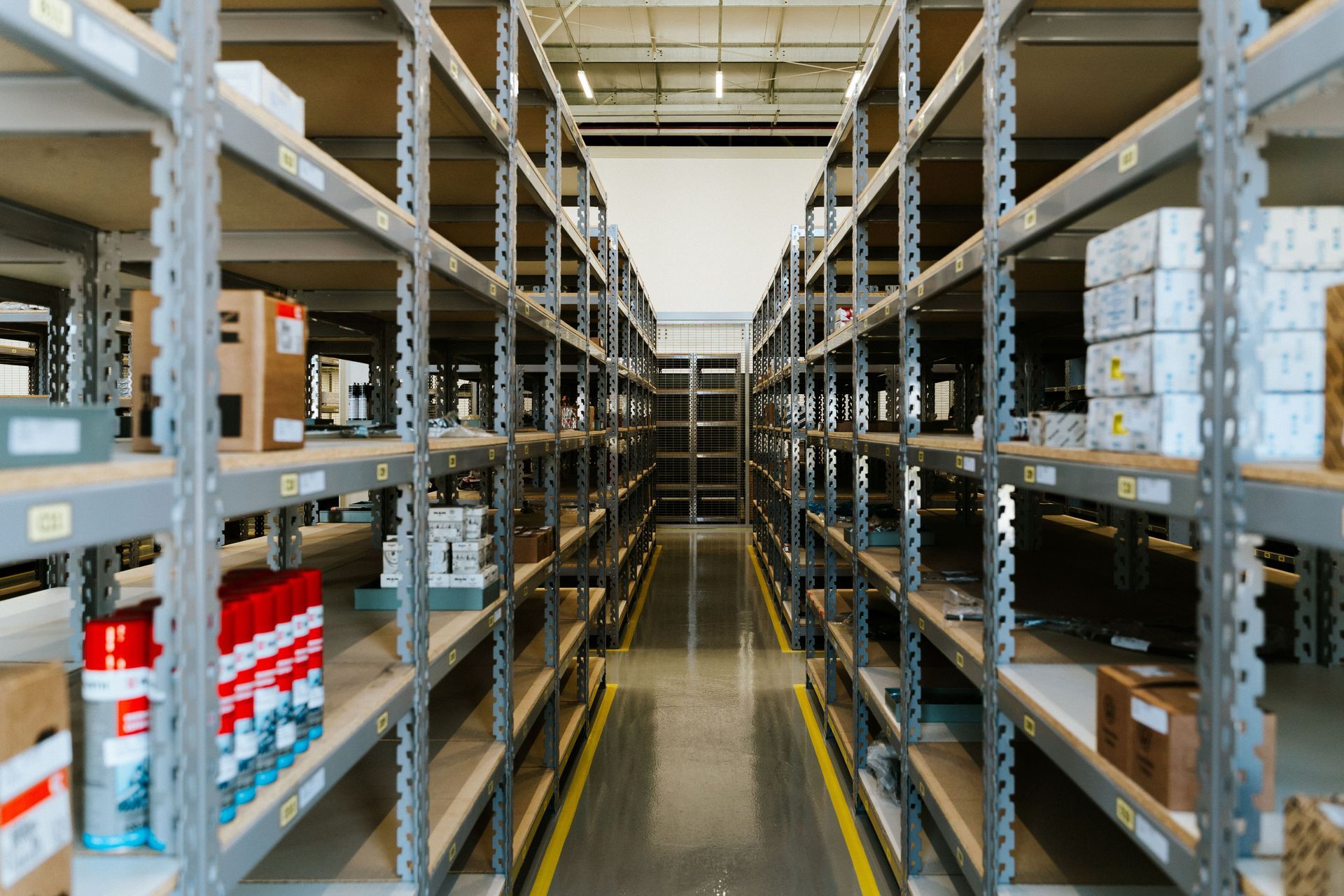
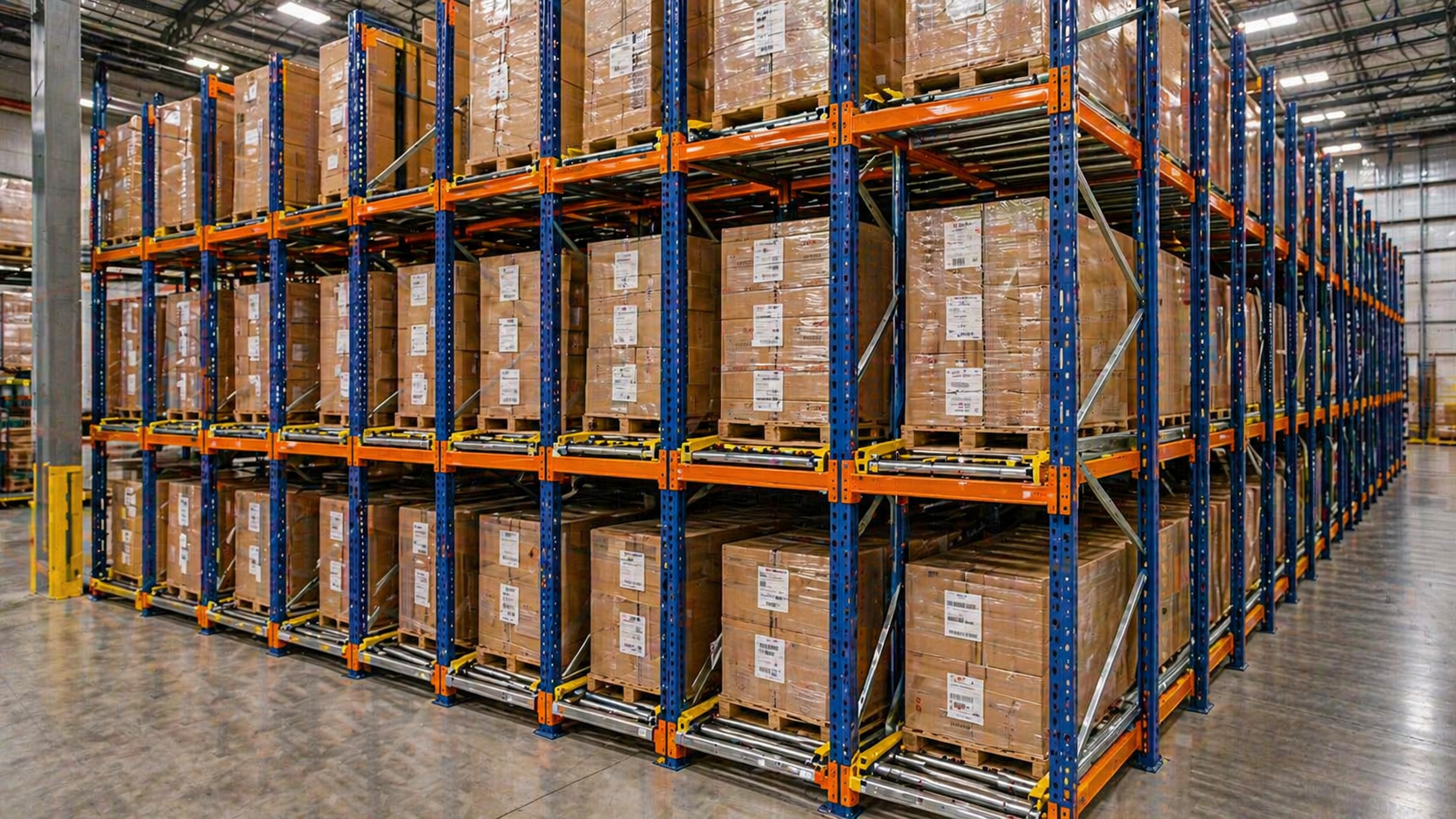
Well-designed maintenance storage uses a tiered approach based on item characteristics. Small parts and fasteners belong in modular drawer systems organized by category and integrated with inventory tracking. Mid-size components and consumables belong on adjustable industrial shelving with depth matched to the actual dimensions of the items being stored. Larger materials belong on pallet racking or mini-racking depending on weight and access requirements. Each tier is clearly labeled, consistently organized, and designed to support accurate inventory counts rather than creating conditions where counts require a full room search.
Stor-It Systems has served public works departments, utilities, and government maintenance operations across Atlantic Canada. The NB Power workspace project is one example of how this approach translates in a regulated government organization context. See the full case study at stor-itsystems.com.
3. Staff and Equipment Locker Systems for Field Operations
Municipal and government field operations employ people whose work takes them into varied and demanding physical environments. Public works crews, emergency services personnel, bylaw officers, and facilities maintenance teams all require personal storage that reflects the nature of their work. Equipment that needs to be accounted for at the start and end of every shift. Personal protective equipment that must be stored separately from street clothing. Uniforms and work gear that require ventilated storage to prevent moisture accumulation.
Modern locker systems available through Stor-It Systems — including Lincora configurations — support the full range of municipal and government field staff requirements. Full-height and half-height configurations accommodate different storage needs within the same installation. Ventilated designs prevent moisture accumulation for work gear. Robust all-welded construction handles the daily demands of high-use staff facilities. Electronic locking options support asset accountability and access control where required. And modular designs allow systems to grow as staffing levels change without requiring full replacement.
4. Technical Workspace Organization for Engineering and Field Departments
Engineering departments, technical services teams, public infrastructure groups, and utility operations require workspaces that support precision, organization, and accountability. Drawings, instruments, reference materials, specialized tools, and technical documentation must be organized in ways that make them quickly retrievable by qualified personnel while protecting them from damage, loss, or unauthorized access.
Government technical workspaces frequently suffer from the same storage problem as other institutional environments: storage was not designed around the work being done. Benches become cluttered with items that have no permanent designated location. Precision instruments are stored in ways that risk damage. Reference materials are scattered across multiple locations. The workspace that should support efficient technical work instead creates friction on every task.
Rousseau modular workstations and integrated storage systems address these challenges through flexibility and specificity. Work surfaces adjustable to the task being performed. Integrated drawer systems, shelving, and cabinet storage organized around the workflow rather than the available space. Tool panels and pegboards that keep frequently used instruments within immediate reach. And a modular design that allows the workspace to evolve as technical requirements change, without requiring full replacement. NB Power's corner workstation installation is one example of how this approach works in a regulated utility environment. Contact us to discuss your project.
Navigating Public Sector Procurement
Procurement compliance is not a barrier to effective storage improvement in government organizations. It is a framework that, when worked with rather than around, produces better outcomes for everyone involved. Stor-It Systems has extensive experience working within the procurement requirements of public sector clients across Atlantic Canada.
For projects subject to competitive tendering, our team can prepare compliant tender responses that address the full scope of requirements, including product specifications, project management plans, installation sequencing, safety plans, and lifecycle cost analysis. We understand that public sector tender evaluations consider value over the life of the investment, not just purchase price, and our proposals are structured accordingly.
For projects managed through purchasing authority approvals or vendor of record arrangements, our team can provide the documentation, product certifications, and supporting materials that procurement and finance teams require to move approvals through the appropriate channels. Our consultation and design services are built to support the full procurement lifecycle, not just the product selection stage.
Atlantic Canada Public Sector Organizations Stor-It Systems Has Served
Stor-It Systems has provided storage and workspace solutions for public sector organizations throughout Atlantic Canada, including NB Power, the New Brunswick Department of Transportation and Infrastructure, BGC Engineering, and various municipal and government clients across New Brunswick, Nova Scotia, Prince Edward Island, and Newfoundland.
Each project came with different procurement requirements, operational constraints, and technical specifications. What did not vary was the importance of understanding the governance context before making any recommendation. Government organizations invest public money in storage systems that must last for decades, meet accountability requirements, and serve the people who work in these facilities and the communities those facilities support. That requires a more thorough approach than a standard commercial storage project, and it produces better outcomes as a result.
Additional examples of public sector and institutional projects completed across Atlantic Canada are available at stor-itsystems.com/our-work. For a broader view of how Stor-It approaches institutional work, see our guide on facility storage for institutions in Atlantic Canada.
What Public Sector Organizations Should Look for in a Storage Partner
Procurement Process Experience
A storage partner working with public sector clients needs to understand how government procurement works, not just how storage products work. This includes experience preparing compliant tender responses, understanding purchasing authority thresholds and approval requirements, supporting the documentation needs of public sector finance and audit teams, and navigating the timeline considerations common to government procurement processes.
Long-Term Investment Orientation
Government storage investments are evaluated over their full lifecycle. A partner who recommends modular, expandable systems built to last for decades, rather than lower-cost alternatives that require replacement on shorter cycles, is aligned with how public sector organizations actually plan and budget. The initial purchase price is one input into a much longer calculation.
Operational Sensitivity
Government organizations serve the public. Storage improvement projects cannot disrupt the services those organizations provide. A partner with genuine experience in public sector environments understands how to plan, sequence, and execute projects around operational schedules, without creating service gaps or placing additional burden on the staff managing both the project and the day-to-day operation.
Local Presence and Accountability
Public sector organizations are accountable to the communities they serve. Working with a locally based partner who has operated in Atlantic Canada for nearly 50 years brings a level of regional knowledge, community accountability, and long-term relationship orientation that out-of-region suppliers cannot match. When a question arises six months after installation, a local partner is there to respond.
Frequently Asked Questions
- Can Stor-It Systems work within provincial and federal government procurement frameworks?
- Yes. Stor-It Systems has extensive experience working within the procurement requirements of provincial government departments, Crown corporations, municipalities, and publicly funded organizations across Atlantic Canada. Our team can prepare compliant tender packages, support vendor qualification processes, and provide the documentation that public sector procurement and finance teams require. We understand how government procurement works and can help your organization navigate the process efficiently.
- What storage systems are most appropriate for a municipal maintenance depot or public works facility?
- Municipal maintenance and public works facilities benefit from a tiered storage approach: modular drawer systems for small parts and fasteners, adjustable shelving for mid-size inventory and consumables, and pallet racking or mini-racking for larger materials and bulk stock. Integrating storage organization with an inventory management or asset tracking system significantly improves accountability and reduces the over-ordering that typically results from inventory that cannot be reliably located. The specific configuration should be designed around the actual inventory profile and workflow of the facility.
- How does Stor-It Systems manage storage projects in operational government facilities?
- All projects in operational government facilities are planned around the schedule and service obligations of the organization. This means sequencing installation in phases that maintain operational capability throughout, scheduling work outside peak operational periods where required, coordinating with facilities management on access, safety, and waste management, and completing the project in a way that minimizes disruption to the people and services the facility supports. We have completed projects in facilities including hospitals, government offices, and utility operations across all four Atlantic provinces without disrupting ongoing operations.
- How can a government records room increase capacity without building expansion?
- High-density mobile shelving is the most effective solution for government archive and records management in constrained spaces. By eliminating fixed aisles and creating access only where needed at any given moment, mobile shelving systems can more than double the usable storage capacity within the existing room footprint. For organizations managing growing record retention obligations on fixed facility budgets, this approach typically defers or eliminates the need for additional space while improving organization and retrieval efficiency at the same time.
- Does Stor-It Systems serve government organizations across all of Atlantic Canada?
- Yes. Stor-It Systems serves government departments, Crown corporations, municipalities, and public agencies throughout New Brunswick, Nova Scotia, Prince Edward Island, and Newfoundland. Our team has completed storage and workspace projects for public sector clients across all four provinces. Contact us here to discuss your project.
Storage That Serves the Public Interest
Every storage system in a government or municipal facility ultimately serves two groups of people: the staff who work in the facility and depend on effective storage to do their jobs well, and the public those staff serve. When maintenance teams can find parts quickly, public infrastructure gets repaired faster. When records are organized and retrievable, the administrative work that supports public services becomes more efficient. When technical workspaces are properly organized, the engineering and field work that communities depend on gets done more reliably.
Getting public sector storage right requires understanding the governance context as well as the operational one. Stor-It Systems has been working with government and public sector organizations across Atlantic Canada for nearly 50 years. We understand procurement requirements, long-term investment planning, operational continuity obligations, and the accountability standards that public sector storage must meet.
If your organization is managing storage challenges that are affecting operational efficiency, compliance readiness, or the services you provide to the public, the most productive first step is a conversation. Book a free consultation with our team today.
Need Help Planning Your Warehouse or Industrial Space?
Storage, loading docks, commercial doors, and material handling -solved.
No obligation. Local experts.
Insights to fuel your marketing business
Sign up to get industry insights, trends, and more in your inbox.
Contact Us
We will get back to you as soon as possible.
Please try again later.
SHARE THIS
Latest Posts