The parts department is not a back-office function in an automotive or commercial vehicle operation. It is a revenue centre, a service commitment, and in many cases, the primary reason a customer returns. When a technician needs a part and cannot find it, the service bay sits idle. When a customer's vehicle is waiting on a part the system says is in stock but nobody can locate, the relationship with that customer is at risk. When parts counter staff spend their day searching rather than serving, the operation pays for that inefficiency in labour cost and customer experience simultaneously.
Parts storage is the operational foundation of every dealership, truck centre, and automotive service facility. When it works well, it is nearly invisible. When it does not, the impact is felt across every dimension of the operation.
Automotive operations across Atlantic Canada, from full-service dealerships in Halifax and Fredericton to commercial truck centres in Moncton and Saint John, face a common set of storage challenges as they grow. This guide covers those challenges, how each one maps to a specific storage solution, and how Stor-It Systems has helped automotive businesses throughout New Brunswick, Nova Scotia, Prince Edward Island, and Newfoundland find more capacity, better organization, and stronger operational performance in the space they already have.
Why Automotive Parts Storage Is a Distinct Discipline
Automotive parts storage combines a set of requirements that do not appear together in most other storage applications. Understanding what makes it different is the starting point for designing systems that actually support service operations rather than simply holding inventory.
SKU volume is exceptionally high. A full-service dealership may carry tens of thousands of active part numbers spanning multiple model years, vehicle lines, and accessory categories. A commercial truck centre adds fleet-specific components, specialty hardware, and service parts across a range of makes and model years. Managing this volume with consistent organization and reliable inventory accuracy requires storage systems designed for it, not adapted from general warehouse configurations.
Item size variation is extreme. The same parts room holds seals smaller than a thumbnail and body panels larger than a workbench. Fasteners measured in millimetres share a facility with components measured in feet. A storage system that treats all of these the same way wastes space on small items and creates access problems for large ones. Effective automotive parts storage matches the storage medium to the actual physical characteristics of the item being stored.
Retrieval speed is directly linked to service throughput. A technician waiting at the parts counter for a component to be located is a technician not working on the vehicle. In a busy service department, this multiplies across every bay and every shift. The faster a parts person can locate any item in the room, the higher the service throughput the department can support.
Dealer management system (DMS) integration is the backbone of parts accountability. Modern automotive parts operations run on DMS platforms that track every part from receipt through sale. When the physical storage organization does not align with how parts are tracked in the DMS, discrepancies accumulate. Phantom stock, cycle count failures, and over-ordering all follow from storage systems that do not support accurate physical inventory management.
The Four Most Common Automotive Storage Challenges
1. Parts Room Capacity Constraints
Growth is the most common trigger for parts storage problems in automotive operations. As product lines expand, new models are introduced, and the inventory required to serve a growing customer base increases, parts rooms that were adequate at one level of business become inadequate at another. The natural assumption is that more space is the answer.
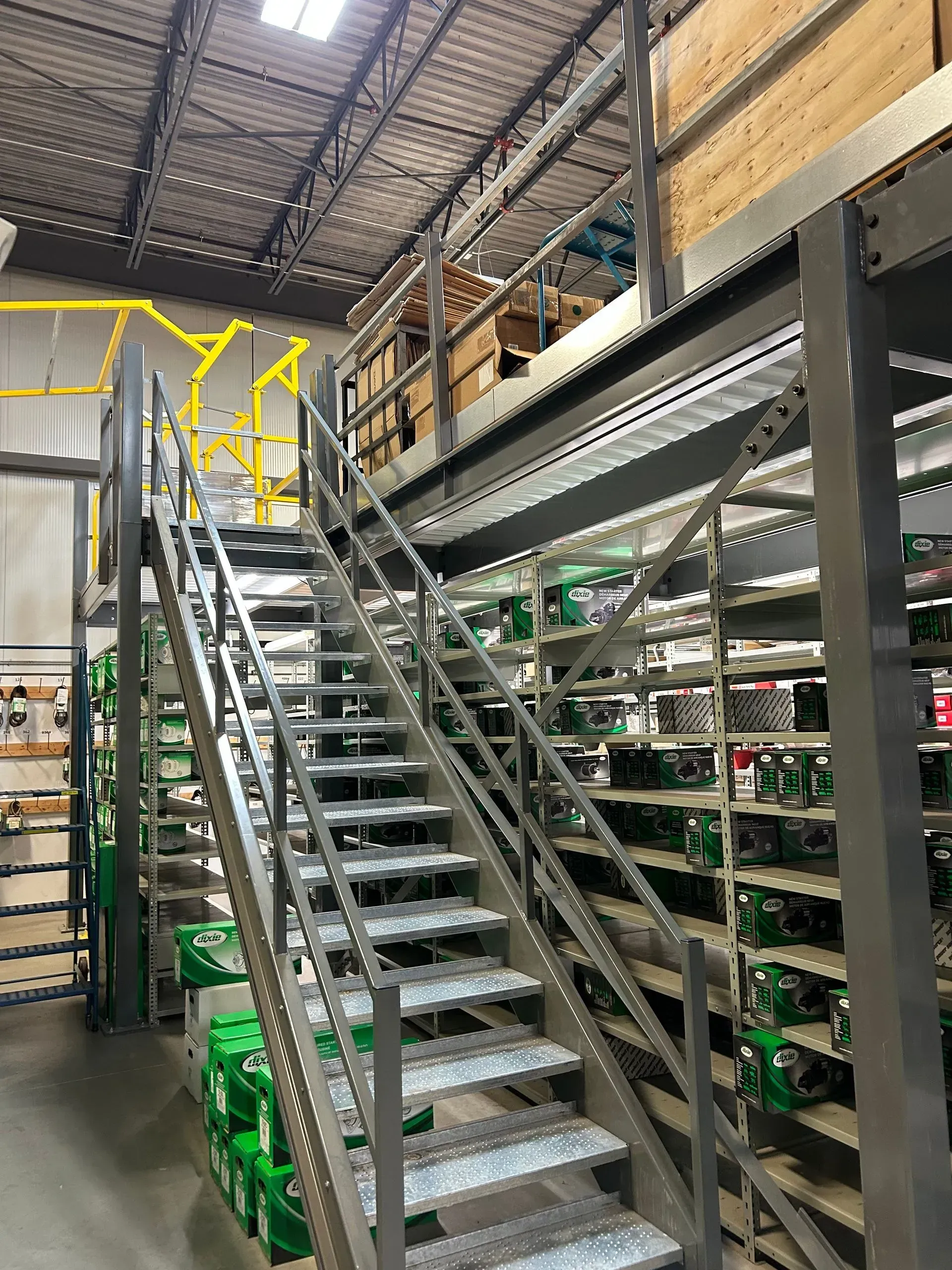
Before committing to a building addition, expansion lease, or facility relocation, the right first step is evaluating whether the existing space is being used to its actual potential. The most common finding is that it is not. Poor vertical utilization, mismatched storage mediums that waste space on the wrong item sizes, and disorganized layouts that create dead zones all reduce the effective capacity of the space below what is physically available.
Bayview Trucks, a commercial truck dealership in Atlantic Canada, discovered this firsthand. When they called Stor-It Systems to discuss the layout of a planned building addition, the consultation process revealed that their existing parts storage area could accommodate the inventory growth driving the expansion, through better storage design rather than more square footage. The cost of the redesigned storage system was minimal compared to the cost of the proposed construction, and the redesigned parts operation performed better than the building addition would have delivered. The full story is at
stor-itsystems.com.
2. Small Parts Organization and Retrieval Accuracy
Small parts represent the largest proportion of active SKUs in most automotive parts rooms and the category most consistently managed poorly. Fasteners, seals, clips, sensors, filters, electrical connectors, and other small components that vary in size, specification, and application are frequently stored in open bins on standard shelving with inadequate organization, insufficient labeling, and no integration with the DMS bin location system.
The result is predictable: parts that should take seconds to locate take minutes. Cycle counts that should be straightforward become extended searches. Inventory accuracy degrades as parts are placed in the wrong location, mixed with similar but different components, or simply lost in the organizational disorder of a parts room that has grown beyond its original design.
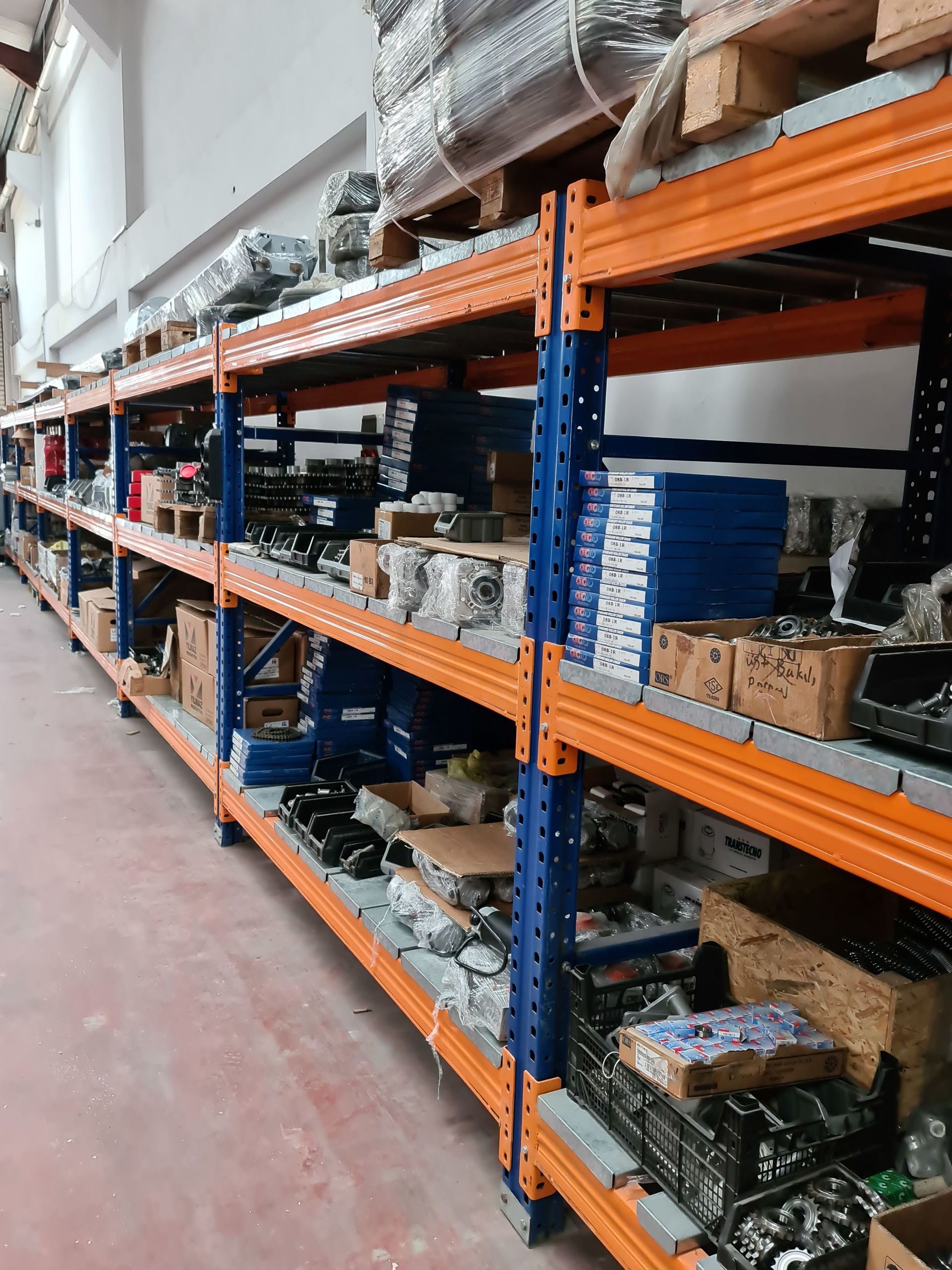
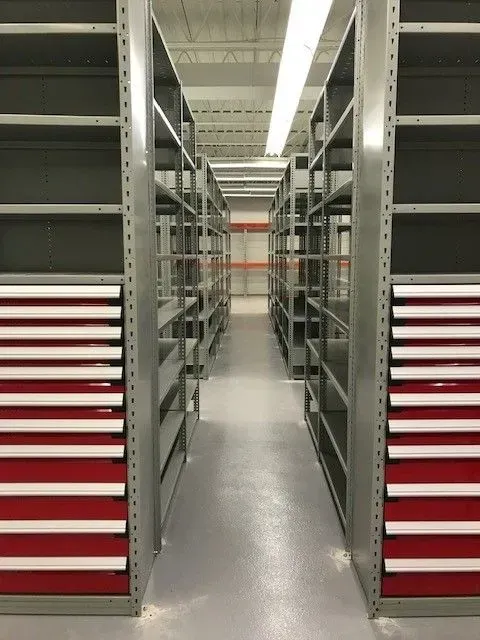
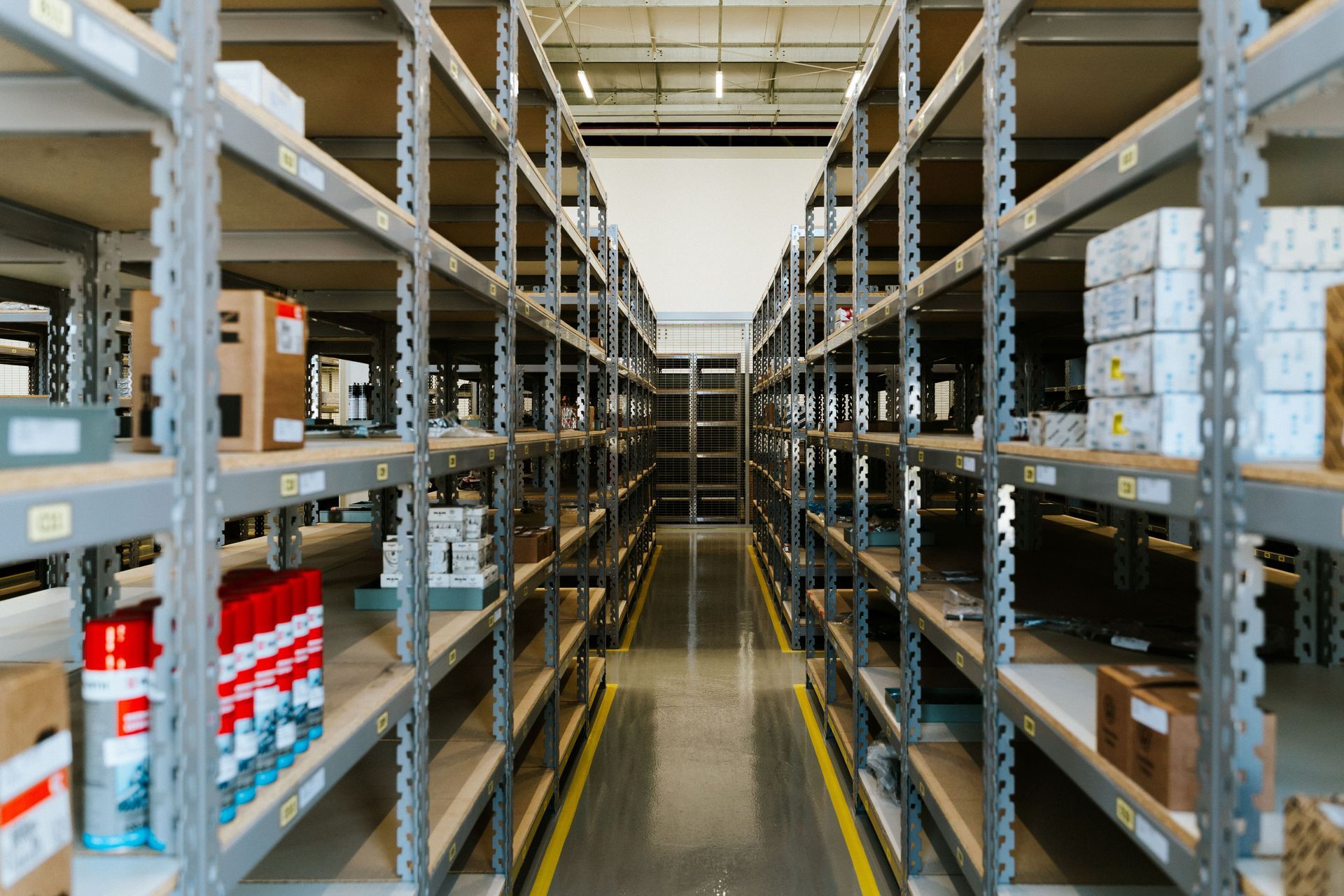
The solution is a tiered approach based on physical size. Items smaller than a six-inch cube belong in modular drawer systems with configurable internal dividers that create consistent, specific locations for every part number. Each drawer position is labeled and linked to a DMS bin location code. Items up to a 24-inch cube belong on adjustable
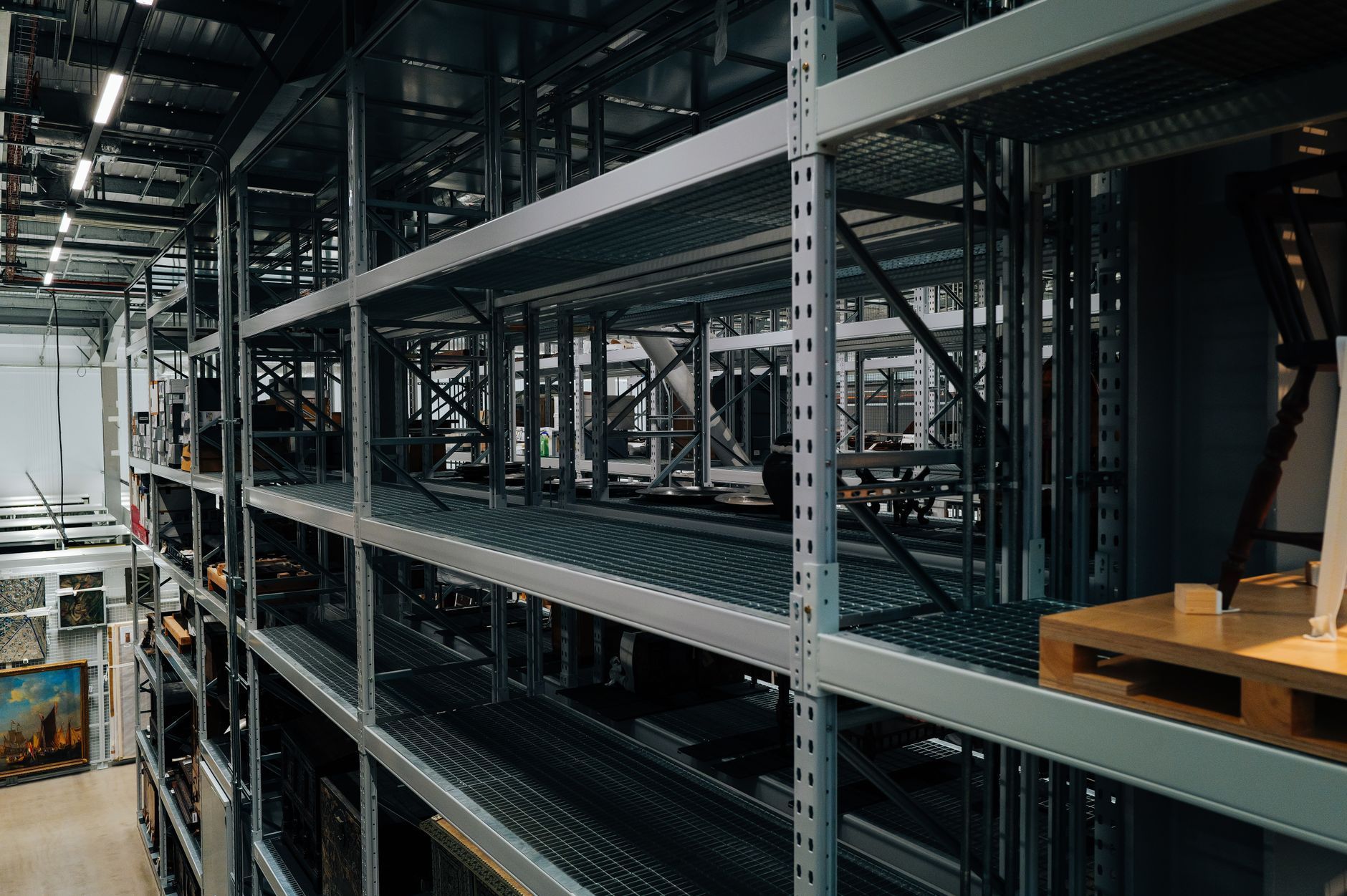
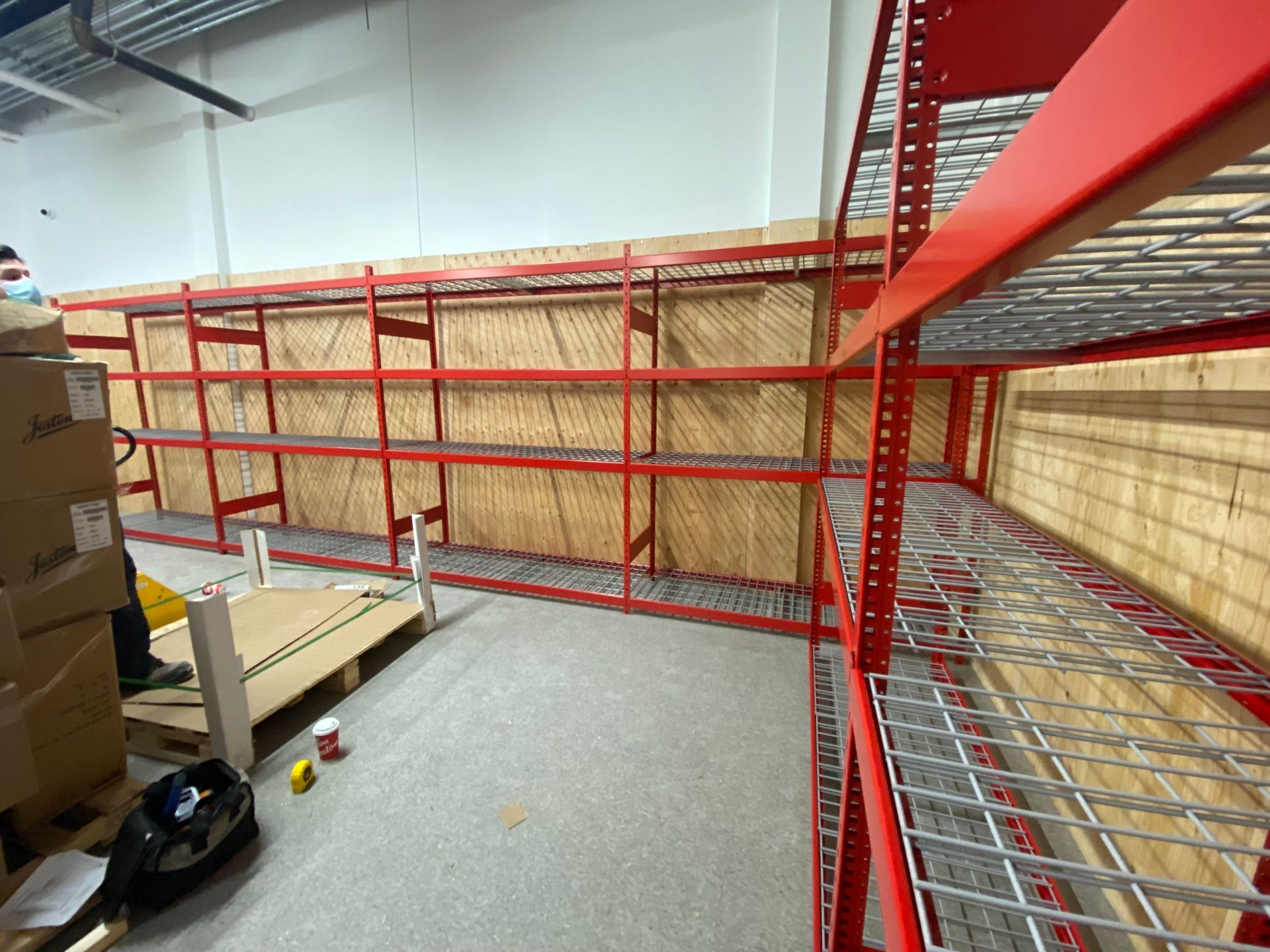
industrial shelving with shelf depths matched to the actual dimensions of the items being stored. Items larger than 24 inches belong on mini-racking or
pallet racking depending on weight and access requirements.
This approach eliminates the primary causes of retrieval error, reduces search time on every pick, and creates the consistent physical organization that makes accurate DMS bin location possible. Explore
automotive storage solutions through Stor-It Systems.
3. Tool and Equipment Accountability
Specialty tools, diagnostic equipment, and shop supplies represent significant capital investment in any automotive service operation. When these items are stored without a structured system, the consequences are familiar: equipment cannot be located when needed, tools are borrowed between bays and not returned, specialty items are damaged through improper storage, and the organization carries higher tool replacement costs than it should.
Structured tool storage creates accountability at the point of use.
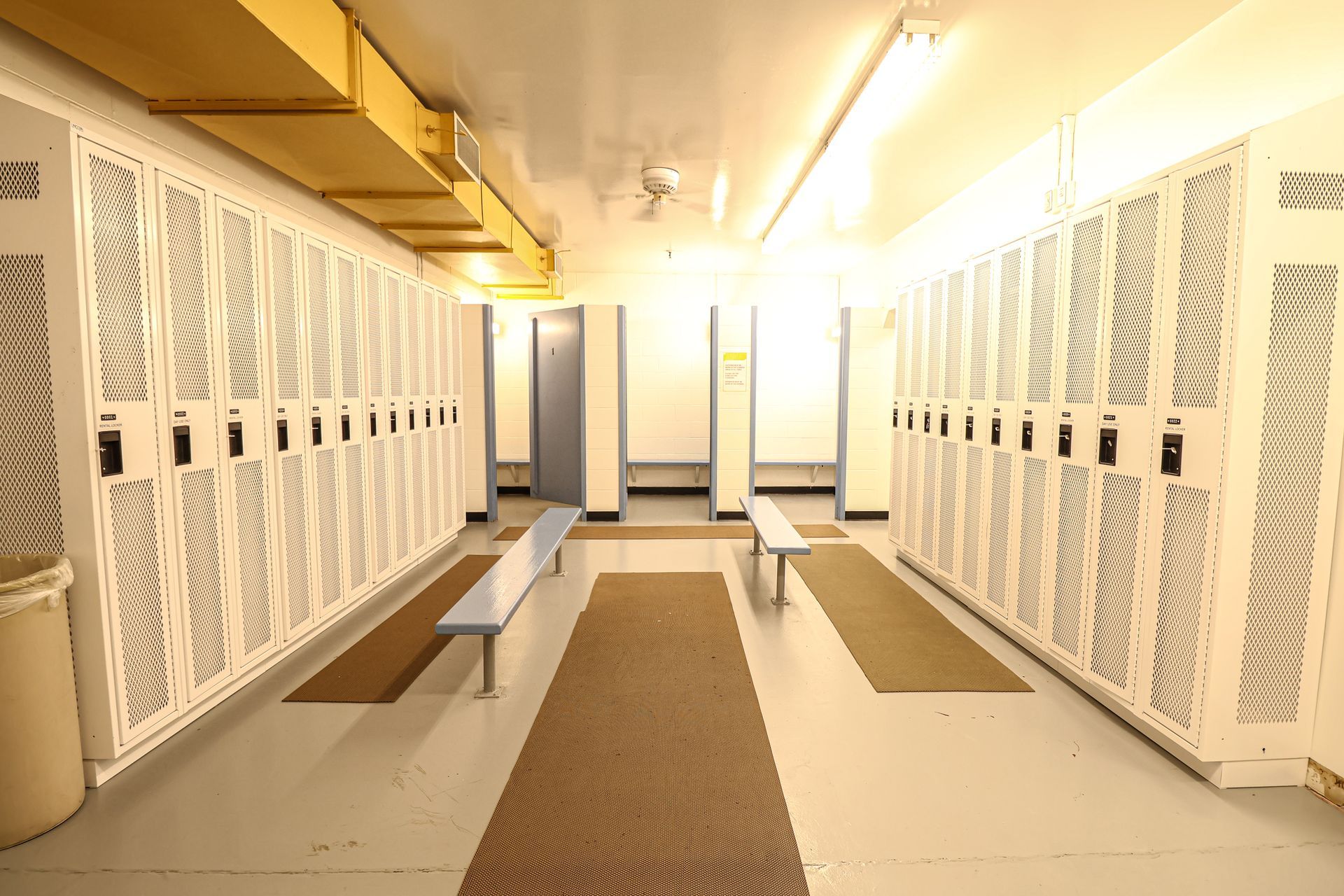
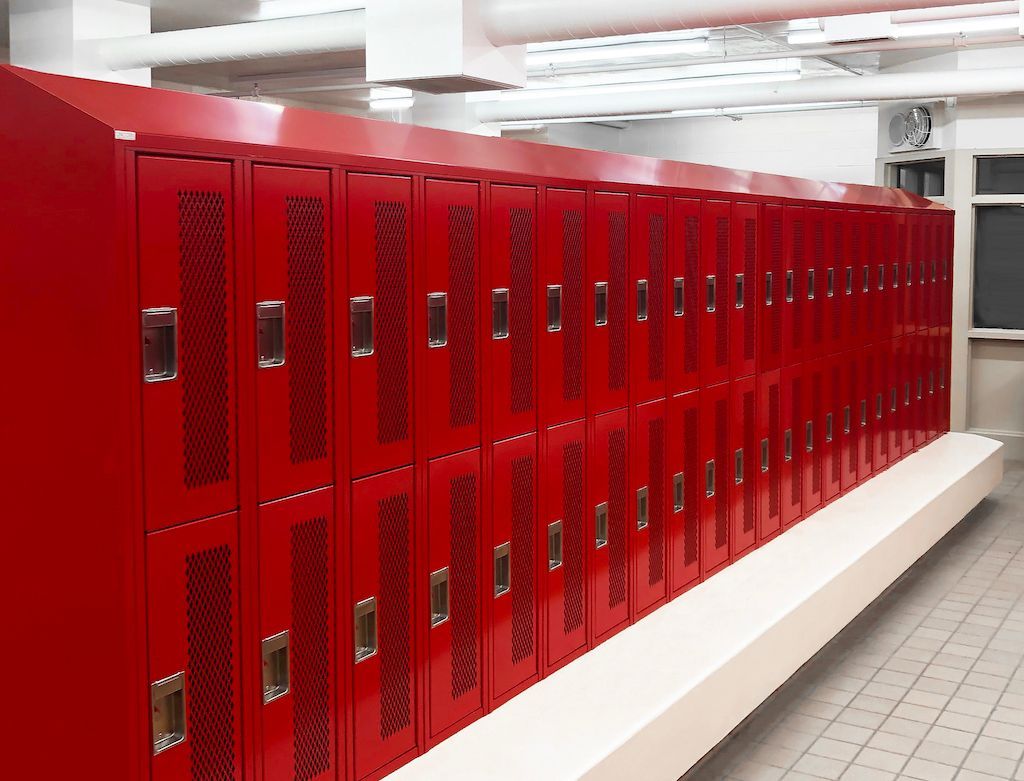
Lockable cabinets with organized interiors, drawer systems with specific locations for every tool, and clear checkout procedures supported by the physical storage configuration change the dynamic from searching for tools to knowing where they are. This is not just an efficiency improvement. It is an asset protection measure that pays for itself through reduced replacement costs and better equipment availability across the service department.
4. Service Bay Workspace Efficiency
The service bay is where the work happens, and the workspace organization in each bay directly affects how efficiently technicians can complete it. A technician who must leave the bay to retrieve a tool or supply loses time on every task. A technician working at a bench that is the wrong height for the task being performed accumulates physical strain across a full day's work. A bay where supplies and reference materials have no designated location creates searching behaviour that repeats dozens of times per shift.
Rousseau
modular workstations are built for exactly this environment. Work surfaces adjustable to the task and the technician. Integrated drawer systems, shelving, and tool panels organized around the workflow of the bay. 3,000-pound work surface capacity for genuinely heavy automotive applications. And a modular design that allows the configuration to adapt as the work changes, without replacing the entire installation. The right service bay workstation is not a furniture purchase. It is a productivity investment that pays back in faster cycle times and lower injury exposure across the working careers of the people using it.
The Bin Location System Advantage
Of all the improvements an automotive parts operation can make to its storage system, integrating a bin location system with the DMS is one of the highest-return changes available. It is also one of the most underutilized in Atlantic Canada automotive operations.
A bin location system assigns a specific physical location identifier to every storage position in the parts room and links that identifier to the DMS. When a part is received, it is assigned to a specific bin location in the system. When it is retrieved, the parts person goes directly to that location rather than to the general area where the part type is stored. Cycle counts reference specific bin locations. Replenishment triggers reference specific locations. The inventory the system shows and the inventory physically present in the room align because every movement is tied to a specific, verifiable position.
The operational effects are measurable. Retrieval time drops because parts people go directly to a location rather than searching. Inventory accuracy improves because physical organization supports accurate system records. Phantom stock, where the DMS shows inventory that cannot be located in the room, decreases significantly. And over-ordering driven by inventory distrust, a common and costly behavior in parts rooms with poor physical organization, is reduced because the team can trust the system they are working with.
Implementing a bin location system requires a physical storage organization that supports it: consistent locations that do not change, clear and durable labeling, and a storage layout that aligns with how the DMS is configured. Getting the physical storage right first makes the DMS integration straightforward. Trying to implement bin locations in a disorganized storage system produces a disorganized system with bin location codes attached.
When Expansion Feels Inevitable But Is Not
One of the most consistent findings across automotive storage assessments is that operations facing capacity pressure have not fully evaluated the potential of the space they have. Vertical space is under-utilized. Storage mediums do not match the items they hold, wasting capacity on every shelf. Layout decisions made years ago no longer reflect current inventory profiles. The physical organization does not support the DMS, creating inventory inaccuracy that compounds the space problem through over-ordering.
Before any automotive operation commits to a building addition, an expansion lease, or a facility relocation, the investment in a professional storage assessment is worthwhile. That assessment evaluates vertical utilization, storage medium sizing, layout efficiency, DMS alignment, and future growth planning, and provides a clear picture of what the existing space can actually support with the right storage design. In many cases, the capacity required to support growth is already present in the building. For more on how this evaluation works in practice, see our guide on
maximizing storage space without building expansion.
The Stor-It Systems Advantage
Stor-It Systems has been supporting automotive dealerships, truck centres, fleet operations, and service facilities across Atlantic Canada since 1978. As an exclusive Rousseau dealer, we have direct access to one of the most comprehensive modular shelving and workstation systems available in the Canadian market, fully configurable for automotive parts and service environments.
Our process begins with understanding the operation. We evaluate the parts inventory profile, the DMS configuration, the service department workflow, and the physical constraints of the facility before recommending any storage system. The goal is a solution designed around how the operation actually works, not a generic configuration applied without context.
Atlantic Canada automotive clients Stor-It Systems has worked with include Bayview Trucks and McClure Toyota, among others across New Brunswick, Nova Scotia, Prince Edward Island, and Newfoundland. Our
consultation and design services and
professional installation are available across the region. Project examples are available at
stor-itsystems.com/our-work.
Frequently Asked Questions
- What is the right storage system for an automotive parts room?
- Effective automotive parts storage uses a tiered approach based on item size. Small parts and fasteners belong in modular drawer systems with configurable interiors and DMS-integrated bin location codes. Mid-size components belong on adjustable shelving with depth matched to actual item dimensions. Larger parts belong on mini-racking or pallet racking depending on weight and access requirements. The most common mistake is applying the same storage medium across all item sizes, which wastes space and creates retrieval problems. The right configuration depends on the specific inventory profile of the operation.
- How does a bin location system work with dealer management software?
- A bin location system assigns a specific alphanumeric code to every physical storage position in the parts room and enters that code into the DMS as the location for each part number stored there. When parts are received, they are assigned to a specific bin location in the system. When they are picked, staff go directly to that location. The result is faster retrieval, higher inventory accuracy, and significantly reduced phantom stock. Most DMS platforms support bin location fields natively. The physical storage organization must be set up to support consistent, labeled locations before the DMS integration will function reliably.
- Can parts room storage improvements be made without shutting down service operations?
- Yes. Stor-It Systems plans and sequences automotive parts room projects to maintain operational capability throughout. Sections of the parts room are reorganized and upgraded in sequence, with inventory relocated within the facility rather than removed from service. The sequencing is designed around the parts department's operating hours and the service department's schedule to minimize disruption. Our goal is always to deliver an improved system with no downtime to the service operation it supports.
- How much can better storage design improve parts retrieval time?
- The improvement varies by how disorganized the starting point is, but the gains from a well-implemented bin location system combined with properly sized and organized storage are consistently significant. Parts operations that move from a disorganized general-area system to a fully bin-located, tiered storage approach typically see retrieval times cut substantially for common picks. The compounding effect across hundreds of picks per day across a full service department represents meaningful labour efficiency gain.
- Does Stor-It Systems serve automotive operations throughout Atlantic Canada?
- Yes. Stor-It Systems serves automotive dealerships, commercial truck centres, heavy equipment dealers, fleet maintenance operations, and parts distributors throughout New Brunswick, Nova Scotia, Prince Edward Island, and Newfoundland.
Contact us here to discuss your parts storage challenge.
A Parts Room That Keeps the Service Department Moving
The best parts rooms are ones nobody notices. Parts are where they are supposed to be. Retrieval is fast. Inventory counts match the DMS. Technicians get what they need and return to their bays. The service department runs at the throughput it is capable of, and the parts operation supports rather than limits that throughput.
Getting there requires storage design that matches the specific inventory profile and workflow of the operation, not a generic configuration applied without understanding the business. Stor-It Systems has been designing and installing automotive parts storage systems across Atlantic Canada for nearly 50 years. If your parts room is limiting your service department, the conversation starts here.
Book a free consultation today.