How Bayview Trucks Avoided a Costly Building Expansion by Solving a Storage Problem: A Stor-It Systems Case Study
August 28, 2026
The decision to expand a building feels inevitable when a business has genuinely outgrown its space. Inventory is overflowing. Parts are difficult to find. The team is working around a storage system that was designed for a smaller operation. The logical conclusion is that more square footage is the only answer.
Bayview Trucks reached exactly that point. A growing commercial truck dealership with an expanding inventory of parts needed to keep its valued customers' trucks on the road, the existing parts storage area had become inadequate. The plan was to build a building extension. Stor-It Systems was called to discuss the layout of the new build. What happened next changed the direction of the entire project — and saved Bayview Trucks hundreds of thousands of dollars.
This is the story of how a consultation-first approach to storage planning delivered a result that no product catalogue could have produced, and what it means for automotive operations, truck dealerships, parts departments, and service facilities across Atlantic Canada facing the same pressure.
About Bayview Trucks
Bayview Trucks is a commercial truck dealership operating in Atlantic Canada. Like all dealerships in the commercial vehicle sector, their parts department is a critical revenue and service function.
Keeping the right parts on the shelf, in an organized and accessible system, is directly linked to how quickly and reliably the service team can keep customer trucks operational. In commercial trucking, downtime is expensive. A customer whose truck is off the road is losing money every hour it is not working. The parts department's ability to locate and supply the right component quickly is not a back-office function — it is a core part of the service promise to every customer.
As Bayview Trucks grew, so did the complexity and volume of their parts inventory. New truck models were released. Product lines expanded. The inventory required to serve a growing customer base kept climbing. The parts storage area that had worked for a smaller operation was no longer keeping pace with the demands being placed on it. Something had to change.
The Challenge: Four Storage Problems That Were Limiting the Operation
Bayview Trucks' parts storage challenge was not a single problem. It was four interconnected problems, each limiting the operation in a different way, and each requiring a different solution. Understanding all four is what allowed Stor-It Systems to design a response that addressed the root causes rather than the symptoms.
1. Space Constraints
Parts storage areas, as a general rule, are rarely designed for growth. Even when the initial design was thoughtful, the parts storage area tends to be one of the first spaces to sacrifice square footage when an office, service bay, or customer area needs more room. At Bayview Trucks, the parts storage area had reached its apparent limit. The shelving was full. The floor was occupied. There was nowhere obvious to put additional inventory. The natural conclusion was that more building space was the only solution.
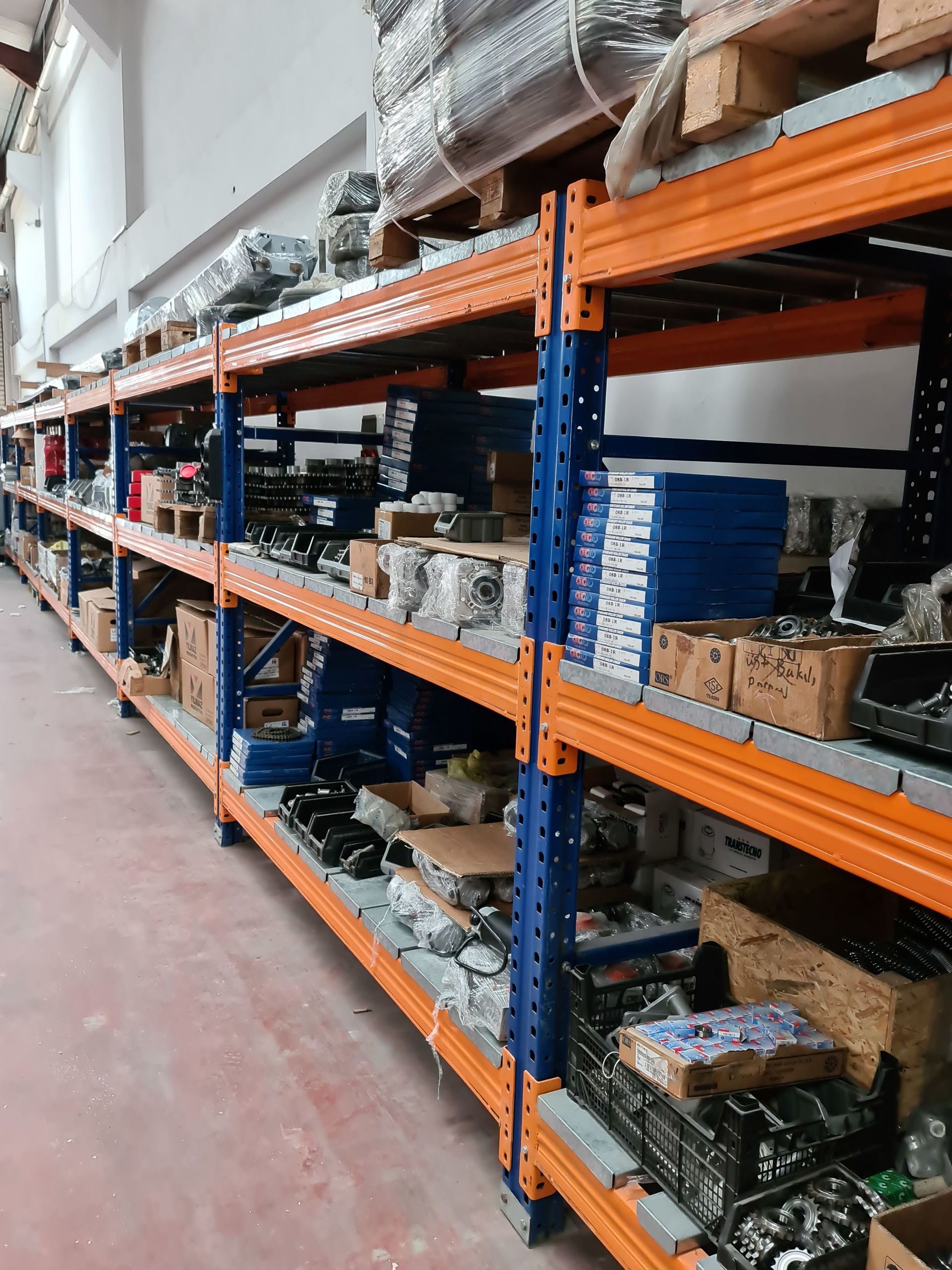
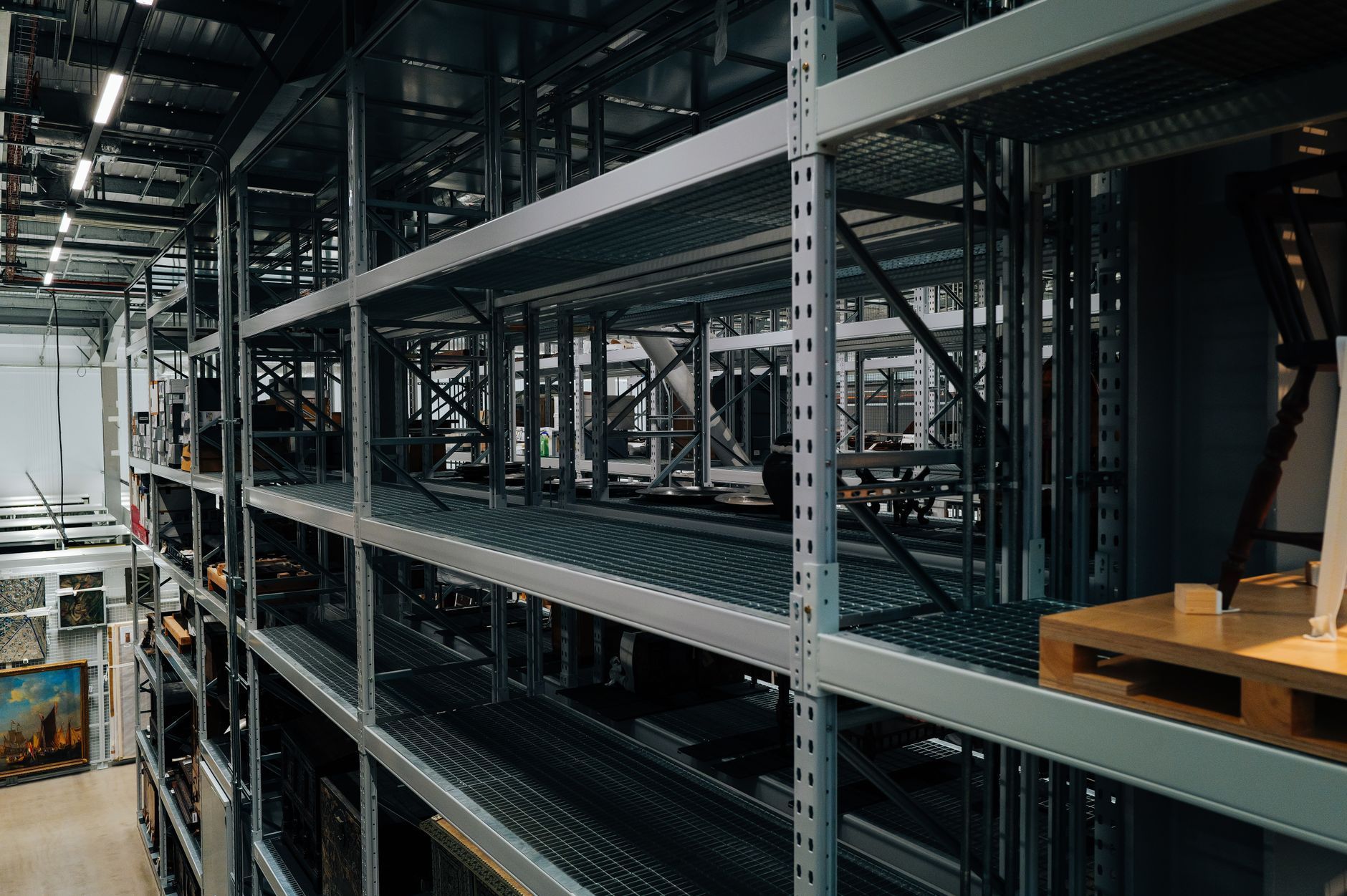
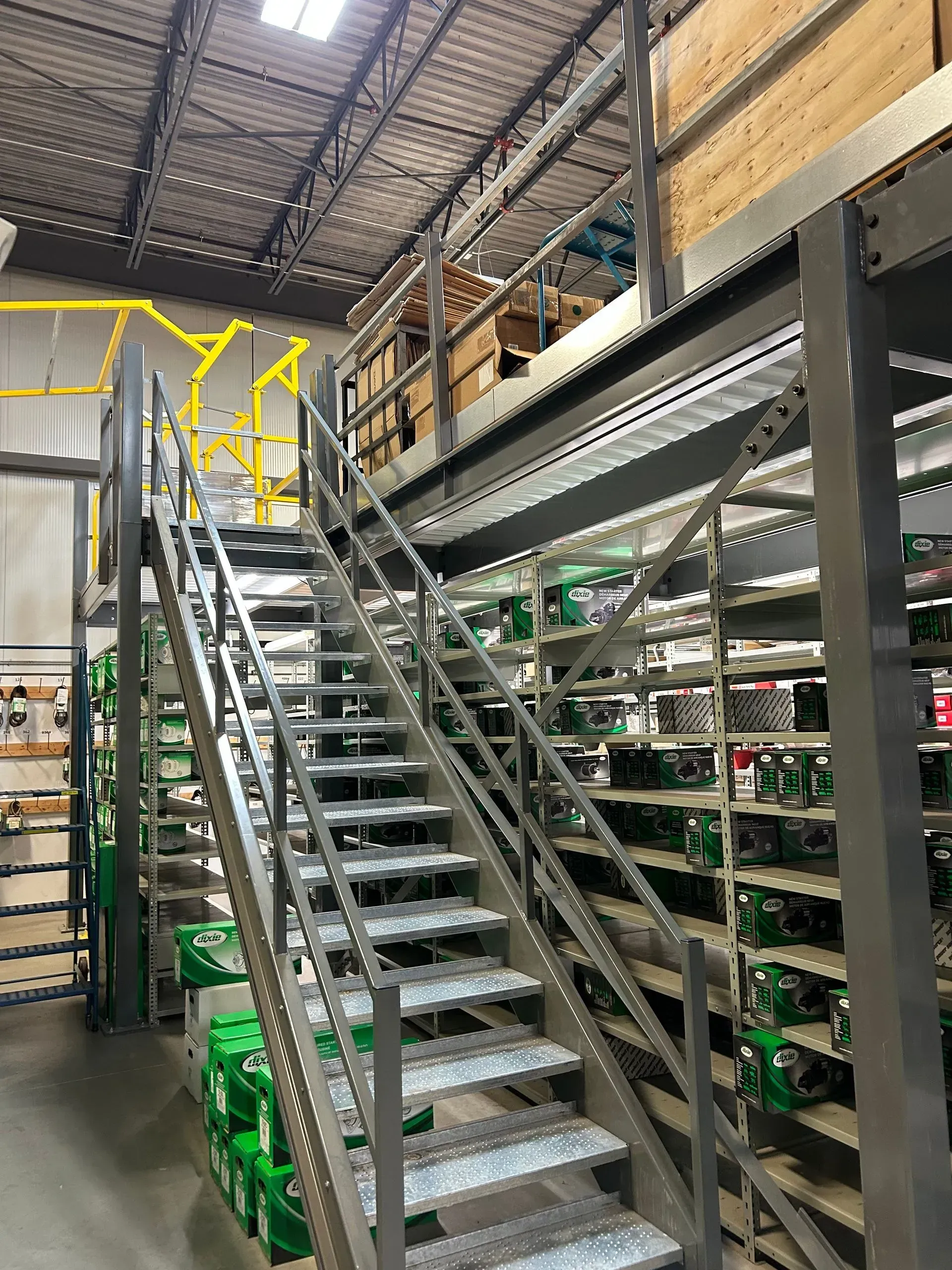
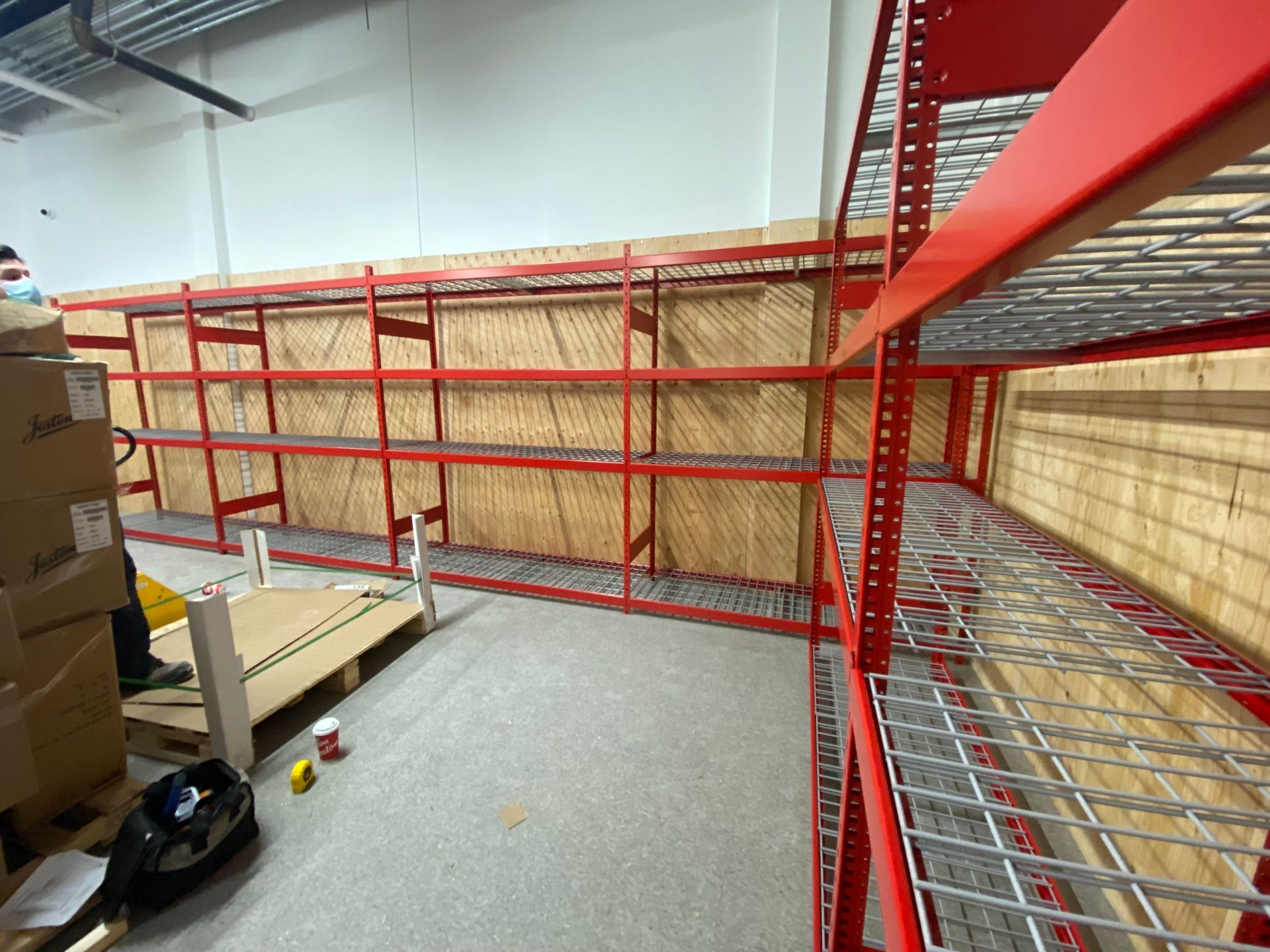
What Stor-It Systems recognized, through the consultation process, was that the apparent limit was not a physical limit. It was a design limit. The existing storage system had not been configured to use the available vertical height of the space. The solution was not more floor area — it was a high-density shelving system engineered to maximize vertical space and provide storage mediums sized to the specific items being stored. More capacity was already present in the existing building. It just needed to be unlocked.
2. Space Utilization
Building in Atlantic Canada is expensive. Construction costs in 2024 run from approximately $120 to $450 per square foot depending on the specification. Every square foot of parts storage space is a capital asset that should be working as hard as possible. At Bayview Trucks, the existing storage configuration was not achieving anywhere near the utilization efficiency that the available space could support.
The most common cause of poor space utilization in parts departments is the use of shallow shelving and generic storage mediums that do not match the items being stored. A 12-inch deep shelf holding parts that could be stored in 6-inch deep bins is wasting half its depth on every shelf, in every bay, across the entire storage area. Multiplied across hundreds of linear feet of shelving, this adds up to an enormous amount of lost capacity hiding in plain sight.
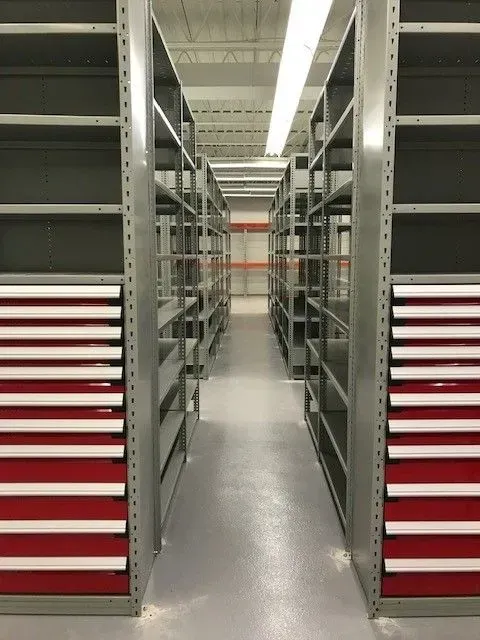
Stor-It Systems introduced a diverse storage system combining deeper shelving configurations, modular drawers, and mini-racking calibrated to the actual dimensions of Bayview's parts inventory. The result was a space efficiency improvement of up to 75 percent compared to the previous layout — a transformation in usable capacity achieved entirely within the existing footprint.
3. Small Items and Specialized Storage
A commercial truck parts department carries an enormous range of item sizes. Fasteners, seals, clips, filters, sensors, and electrical components sit alongside larger assemblies, body panels, and mechanical parts. Storing all of these in the same manner — regardless of size — is one of the most common and most costly storage mistakes in any parts operation.
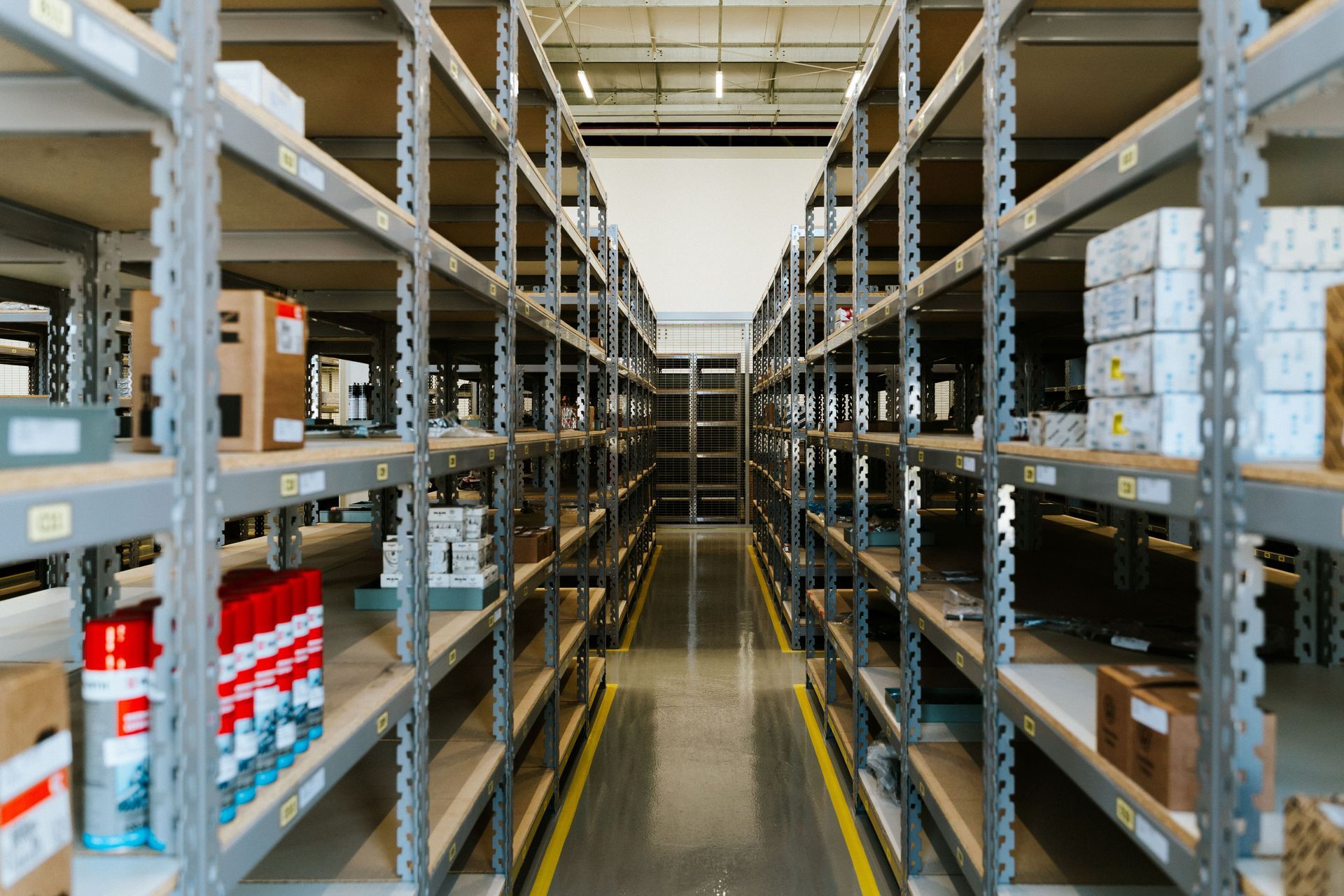
The principle Stor-It Systems applied at Bayview was straightforward: items smaller than a six-inch cube should be stored in drawers. Items up to a 24-inch cube should be stored on shelves. Items larger than a 24-inch cube should be stored on mini-racking, with weight and dimensions determining when pallet racking becomes appropriate. Each storage medium is matched to the physical characteristics of the item it holds, rather than forcing all items into a one-size-fits-all system that serves none of them well.
This approach produces better organization, faster retrieval, more accurate inventory counts, and significantly higher storage density for small parts — the category that typically represents the largest proportion of SKUs in any parts department. Modular drawer systems and configurable industrial shelving from Stor-It Systems were central to this element of the Bayview solution.
4. Accessibility and Retrieval
Of all the operational costs that poor parts storage creates, the one that accumulates most invisibly is the time spent searching for parts that should be findable in seconds. When a technician or parts counter employee cannot locate a component quickly, the ripple effects are significant: the customer waits longer, the service bay sits idle, the inventory system loses credibility, and the team's confidence in the storage system erodes. In a busy dealership environment, this happens dozens of times per day.
The problem at Bayview Trucks was compounded by the fact that their existing system made inventory counts difficult and inaccurate. When you cannot count inventory reliably, you cannot trust the system. When you cannot trust the system, you over-order to compensate. When you over-order, you compound the space problem that started the whole chain.
Stor-It Systems implemented a clearly labeled drawer and shelving system organized around a logical categorization structure and integrated with Bayview's existing inventory control system through a bin location system. Every item has a specific location. That location is identified in the inventory control system. Retrieval time dropped. Cycle count accuracy improved. The parts team could now trust the system they were working with, which changed how the entire parts operation functioned.
The Solution: Why Stor-It Systems Changed the Entire Conversation
Bayview Trucks did not call Stor-It Systems to discuss their storage system. They called to discuss the layout of a building extension they had already decided to build. The building extension was the answer they had arrived at before the conversation started.
What Stor-It Systems did differently was ask the right questions before accepting that premise. Rather than moving immediately to a layout discussion for the new build, the consultation process examined the existing storage area: how it was configured, what it was storing, how items were organized, and whether the apparent capacity limit was a genuine physical constraint or a design constraint that could be solved without construction.
The answer was that the building extension was not necessary. The existing space, configured correctly with the right combination of high-density shelving, modular drawers, mini-racking, and a bin location system integrated with Bayview's inventory control software, could accommodate the inventory growth that had made the extension seem inevitable. The cost of the shelving and drawer systems was minimal compared to the cost of the proposed building addition — a comparison that made the decision straightforward once the alternative was clearly presented.
This is what a consultation-first approach produces that a product-first approach never can. A supplier responding to the building extension inquiry would have provided a layout for the new build. Stor-It Systems provided an analysis of the actual problem and a solution that addressed it. The difference in outcome was hundreds of thousands of dollars saved and a parts operation that performed better than the old system ever had. For more on how this approach works in practice, see our guide on maximizing warehouse and storage space without expanding your building.
The Outcome: More Capacity, Better Service, No Construction
The results Bayview Trucks achieved by addressing their storage challenges with a redesigned system rather than a building expansion were measurable across multiple dimensions of the operation.
Storage capacity increased substantially within the existing footprint through the combination of vertical space utilization, appropriately sized storage mediums for each item category, and the elimination of wasted depth across hundreds of shelving positions. Parts that had previously been difficult or impossible to accommodate within the storage area could now be stocked at the right levels without crowding the system.
Space efficiency improved by up to 75 percent compared to the previous configuration, a gain achieved entirely through better storage design rather than additional square footage. The financial implication of that improvement, measured against the $120 to $450 per square foot cost of new construction in Atlantic Canada, represents a return on the storage investment that would be difficult to replicate through any other means.
Operational efficiency improved at the same time. With a bin location system integrated into the inventory control platform, retrieval times dropped and inventory accuracy improved. The parts team could locate components faster, count inventory more reliably, and serve customers more effectively. Bayview Trucks became more efficient not just with regard to space utilization but in their day-to-day service delivery — a dual outcome that reflects what happens when storage is treated as an operational system rather than a physical infrastructure problem.
Most significantly, the cost of the shelving and drawer system was minimal compared to the cost of the proposed building addition that had been the original plan. Bayview Trucks avoided a capital expenditure of hundreds of thousands of dollars while achieving better operational performance than the building extension would have delivered. That is the outcome that defines this project and makes it one of the most compelling examples of what a consultation-led storage approach produces for Atlantic Canadian businesses.
What This Means for Automotive Operations and Parts Departments Across Atlantic Canada
Bayview Trucks' experience is not unusual. Across New Brunswick, Nova Scotia, Prince Edward Island, and Newfoundland, commercial truck dealerships, automotive service centres, heavy equipment dealers, and parts distributors face the same fundamental challenge: growing inventory, fixed space, and the assumption that a building addition is the only path forward.
In most cases, that assumption is wrong. Not because building extensions are never the right answer, but because the decision is almost always made before the existing space has been properly evaluated. A storage system that was adequate five years ago may be consuming two or three times the space it needs to, through poor vertical utilization, mismatched storage mediums, and disorganized inventory placement. The capacity to support growth is often already present in the building. It is just not being used.
The most important step any automotive or parts operation can take before committing to a building expansion is a professional assessment of the existing storage environment. That assessment should evaluate vertical space utilization, storage medium sizing versus actual inventory dimensions, organization and retrieval efficiency, inventory control system integration, and the real cost comparison between a storage redesign and the proposed construction. In our experience serving Atlantic Canadian operations for nearly 50 years, that assessment consistently reveals more available capacity than the operation's team had recognized.
For a broader look at how this evaluation process works and what it typically uncovers, see our guide on warehouse layout design for Atlantic Canadian facilities. For automotive-specific storage solutions, visit our automotive storage page.
The Stor-It Systems Advantage
Stor-It Systems has been helping businesses across Atlantic Canada solve storage and material handling challenges since 1978. We serve operations throughout New Brunswick, Nova Scotia, Prince Edward Island, and Newfoundland, from growing local businesses to large institutional and industrial organizations.
The Bayview Trucks project illustrates something we see consistently across the region: the most valuable thing a storage partner can offer is not a product. It is the willingness to ask whether the problem being described is the actual problem that needs to be solved. When Bayview called to discuss a building layout, we asked whether a building was actually necessary. The answer changed everything.
Our consultation and design services are structured around exactly this process. We evaluate the existing situation before recommending any solution. We examine how space is being used, how inventory is organized, how retrieval works in practice, and what the real capacity of the existing facility is before any product discussion begins. That approach consistently produces better outcomes for our clients than any amount of product knowledge alone could deliver.
Our professional installation services ensure that every system we design is implemented correctly and integrated with the operational workflow it is built to support. And our ongoing support means that as the operation grows and changes, the storage system can grow and adapt with it rather than creating the same constraints all over again in a few years.
Examples of storage solutions delivered for automotive, commercial vehicle, and industrial operations across Atlantic Canada are available in our project gallery. If you are evaluating your storage options or questioning whether a building expansion is truly the only path forward, see our guide on choosing the right storage and material handling partner in Atlantic Canada.
Frequently Asked Questions
- How do I know whether I need more building space or a better storage system?
- The most reliable way to answer that question is a professional assessment of the existing storage environment before any construction decision is made. Most Atlantic Canadian operations that call us about building expansions have significant untapped capacity in their existing space, through poor vertical utilization, mismatched storage mediums, and inefficient organization. A thorough assessment evaluates what the existing space can actually support before committing to the cost and disruption of construction. Bayview Trucks discovered through exactly this process that a building extension costing hundreds of thousands of dollars was unnecessary. The assessment itself costs nothing. Book one here.
- What storage systems work best in commercial truck and automotive parts departments?
- Effective parts department storage uses a tiered approach based on item size. Small parts and fasteners belong in modular drawer systems that organize by size and category and integrate with bin location systems in inventory control software. Mid-size parts belong on adjustable shelving with depth matched to the actual dimensions of the items being stored. Larger components go on mini-racking or pallet racking depending on weight and dimensions. The most common mistake is storing all item sizes in the same type of shelving, which wastes space, slows retrieval, and makes accurate inventory counts difficult. At Bayview Trucks, implementing the right storage medium for each item category improved space efficiency by up to 75 percent within the existing footprint.
- How does a bin location system improve parts retrieval and inventory accuracy?
- A bin location system assigns a specific physical location identifier to every storage position in the parts room and links that identifier to the inventory control system. When a part is received, it is assigned to a specific bin location. When it is retrieved, the system confirms the location. Cycle counts reference specific bin locations rather than requiring a full room search. The result is faster retrieval, higher inventory accuracy, fewer phantom stock situations where the system shows inventory that cannot be located, and reduced over-ordering driven by inventory distrust. At Bayview Trucks, implementing a bin location system alongside the new shelving and drawer configuration transformed how the parts team interacted with the inventory on a daily basis.
- Can existing parts storage systems be improved without shutting down operations?
- Yes, and this is one of the most common project structures we manage in Atlantic Canadian parts and automotive operations. Storage improvement projects are typically planned and sequenced in phases that allow the parts department to remain operational throughout. Sections of the storage area are reorganized and upgraded in sequence, with inventory relocated within the facility rather than removed from service. The sequencing is planned around the operational schedule and peak service periods to minimize disruption. Our project management process is designed to keep the operation running rather than creating downtime that would offset the benefits of the improvement.
- Does Stor-It Systems serve automotive and commercial vehicle operations throughout Atlantic Canada?
- Yes. Stor-It Systems serves automotive dealerships, commercial truck centres, heavy equipment dealers, fleet maintenance operations, and parts distributors throughout New Brunswick, Nova Scotia, Prince Edward Island, and Newfoundland. Our team has completed parts storage and facility organization projects for operations across all four provinces. Contact us here to discuss your parts storage challenge.
Ready to Find Out What Your Parts Storage Can Actually Hold?
If your parts storage area feels like it has reached its limit, or if you are considering a building expansion to accommodate growing inventory, the most valuable conversation you can have before making that decision is one that starts with a professional assessment of your existing space.
The question is not whether you need more storage. The question is whether that storage is already available inside the building you have. For Bayview Trucks, the answer was yes — and the discovery saved hundreds of thousands of dollars while delivering a parts operation that performs better than the planned expansion ever would have.
Stor-It Systems has been helping Atlantic Canadian businesses answer that question for nearly 50 years. We serve operations throughout New Brunswick, Nova Scotia, Prince Edward Island, and Newfoundland. Book a free consultation with our team today.
Need Help Planning Your Warehouse or Industrial Space?
Storage, loading docks, commercial doors, and material handling -solved.
No obligation. Local experts.
Insights to fuel your marketing business
Sign up to get industry insights, trends, and more in your inbox.
Contact Us
We will get back to you as soon as possible.
Please try again later.
SHARE THIS
Latest Posts